Intervention
September 11, 20267 min read
How Long to Plan an Intervention and When to Move Faster
Most professional interventions take 3 to 7 days to plan. Immediate danger calls for the crisis path, starting with 911 or 988.
DGC
David Gates, CIPKnow when to give Narcan, when to call, and how a family can plan an intervention once an opioid overdose is over.
David Gates, CIP
Lead Interventionist
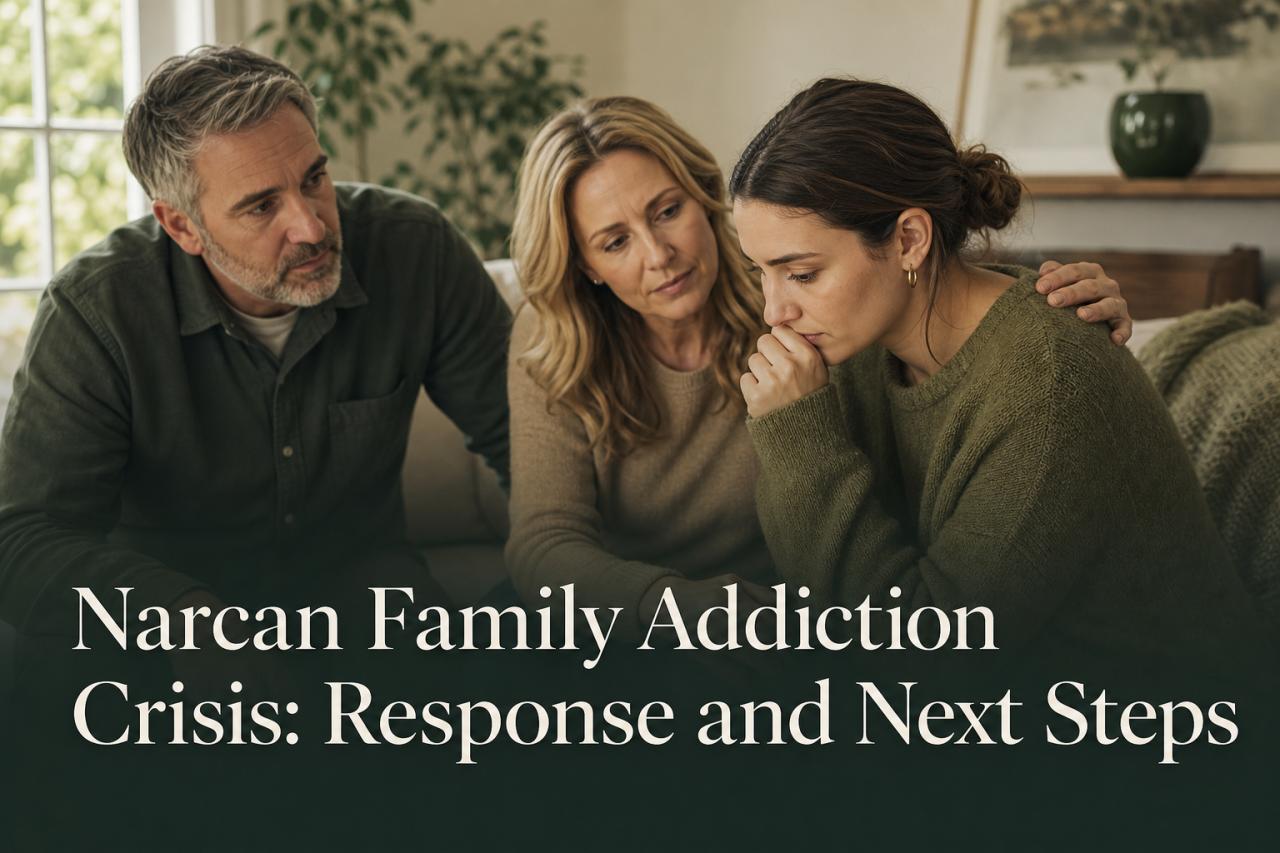
Know when to give Narcan, when to call, and how a family can plan an intervention once an opioid overdose is over.
A Narcan family addiction crisis starts the moment someone's breathing slows or stops after possible opioid use, and the first move is to give naloxone as directed. Call 911 for an overdose or immediate physical danger, and call or text 988 for a suicide, mental health, or substance use crisis. Start rescue breathing or CPR if the dispatcher tells you to, and stay until help arrives.
An unresponsive person with slow, irregular, or stopped breathing is a medical emergency, so act right away. Other warning signs include choking sounds, gurgling, pinpoint pupils, and blue or gray lips and fingernails. Skin color changes can be harder to see on darker skin, so watch breathing and responsiveness closely.
Shout the person's name, tap firmly, and check whether they're breathing normally. Call for emergency help, give the dispatcher your exact location, and say you suspect an overdose. Give naloxone according to the package directions. If the person doesn't respond, follow the label or the dispatcher's instructions about another dose. Start rescue breathing or CPR if you're trained or the dispatcher directs you, and if the person is breathing, roll them onto their side to reduce choking risk.
Keep the emergency call going even if the person wakes up. Naloxone can wear off before the opioid does, and breathing problems can return. SAMHSA's overdose prevention guidance explains why emergency medical care remains necessary after naloxone is given.
Addiction Interventions stays available around the clock once emergency services handle the immediate danger. Medical care comes first, and intervention planning comes after.
Narcan is a nasal spray brand of naloxone, a medicine that temporarily blocks opioid effects and can restore breathing. It may work against overdoses involving heroin, fentanyl, or prescription opioids. Follow the package instructions, because a person may need another dose.
Naloxone doesn't reverse alcohol poisoning, stimulant toxicity, or sedation caused only by benzodiazepines. Mixed exposure is common, so you should still give naloxone when opioid involvement is reasonably suspected. The medicine may address the opioid component while other medical threats continue.
Review the device before a crisis. Check its expiration date, follow the printed storage directions, and keep it somewhere household members can reach quickly. Mayo Clinic's naloxone instructions explain how to use the nasal spray and what to do if the first dose doesn't produce a response.
Naloxone buys time for emergency care. After the medical team takes over, Addiction Interventions can help coordinate treatment placement and follow-through.
Many states have laws that may offer limited legal protection when someone seeks emergency aid in good faith. Depending on the state, protections may apply to the caller, the person who overdosed, or both. They often address specified possession-related offenses rather than every possible legal issue.
Coverage for outstanding warrants, probation violations, trafficking allegations, or unrelated offenses varies. Some laws also set conditions, such as remaining at the scene or cooperating with responders. The National Conference of State Legislatures overview can help you identify the relevant law, but your current state statute is the controlling source. A lawyer can answer questions about your own situation.
Make the call first and sort out the legal questions afterward. A delay to figure out immunity can cost a life.
Keeping naloxone at home is emergency preparation. A person has to survive an overdose to consider treatment, repair relationships, or make another decision about substance use.
You can carry naloxone and still set firm limits. Families may stop giving cash, decline to conceal substance use, and set safety rules for the home. Each boundary should say what you'll do and what happens if the agreement is broken, and it shouldn't include threats you can't enforce.
Our whole-family approach addresses both immediate safety and the patterns that keep a crisis going. During pre-intervention coaching, we help you decide what to say, what to expect, and which boundaries your family can maintain.
Write the plan before anyone needs it. Put naloxone in a known, accessible spot and make sure capable household members know how to use it. Check the device and its expiration date on a regular schedule.
Record the home's exact address, any apartment or gate instructions, and where the naloxone is kept. Two adults can split roles quickly, with one calling emergency services while the other gives the medicine. Someone else can open the entrance, secure pets, and meet responders at the door.
Tell responders which substances may be involved and when they may have been taken. Share only what you know, and don't delay the call while you search for pills, packaging, or proof.
Decide ahead of time who makes which call. Physical danger, like a person who has stopped breathing or been injured, goes to emergency medical services. A person talking about suicide, or in a mental health or substance use crisis without a medical emergency, goes to the crisis line, where trained counselors can talk with them.
Addiction Interventions includes preparation in its family coaching. We help relatives use clear language and coordinate their roles before a planned intervention, and we suggest rehearsing the plan out loud once.
Start planning once the person is medically stable rather than waiting for another emergency. Naloxone reversal may leave someone confused, sick, or agitated, so the first minutes after revival are a poor time for an emotional confrontation about treatment.
A professional intervention uses preparation and a structured conversation. Addiction Interventions begins with a free, fully confidential consultation, and callers speak directly with David instead of a centralized call center.
The next phase prepares the family. A certified specialist then leads the intervention, and our team stays involved with treatment placement coordination and follow-through. Our network travels nationwide for in-home and facility-based interventions.
Lead Interventionist David Allen Gates is a Certified Intervention Professional and Internationally Certified Alcohol and Drug Counselor. He has personally led over 1,500 interventions and brings over 20 years of experience directing addiction treatment programs.
Ask about intervention costs and possible insurance coverage during the consultation. Don't assume coverage, and make sure the plan prepares your family for both treatment acceptance and refusal.
Naloxone belongs in the response when opioid exposure is suspected, but it can't reverse alcohol overdose. Confusion, repeated vomiting, seizures, inability to wake, or slow and irregular breathing after heavy drinking all call for emergency medical help.
Don't let the person sleep it off. Coffee, walking, and cold showers can't reverse alcohol overdose and may add risk. The National Institute on Alcohol Abuse and Alcoholism explains the warning signs and emergency response.
For suicidal thoughts or a mental health crisis, the crisis line is the right call, and emergency services take over if there's immediate danger or a medical emergency. SAMHSA's crisis line information explains what the service provides.
Addiction Interventions provides interventions for substance use and mental health crises, including dual diagnosis situations.
Our team answers questions like these during a free, fully confidential consultation. You speak directly with David.
Yes, if you reasonably suspect an opioid overdose. Naloxone acts on opioids and generally won't harm someone who has no opioids in their system. Call for emergency help and follow the device directions.
Yes. The opioid may remain active longer than naloxone, so breathing problems can return after the person appears alert.
No law can promise that result in every case. State protections are limited and may cover only specified offenses or people who meet certain conditions. Don't delay emergency care while you try to work out the legal outcome.
Naloxone is an emergency medicine that reverses opioid effects for a limited time. It doesn't treat a substance use disorder or remove the need for family boundaries, medical care, and treatment planning.
Choose by the kind of danger. A body in medical trouble, such as a person who isn't breathing or is badly hurt, needs emergency medical services. A person in emotional or behavioral crisis who is physically stable can reach trained crisis counselors by call or text.
Keep the emergency plan active and follow the boundaries your family prepared. An intervention specialist can help you respond without improvising, including what to say and what actions your family will take next.
Addiction Interventions is available 24/7 at 949-776-7093 for a free, fully confidential consultation. We're headquartered at 3822 Campus Dr #300-B, Newport Beach, CA 92660, and our certified interventionists travel across all 50 states.
Once the immediate danger is controlled, call us to talk through a professional intervention and what your family can do next.
About the Author

David Allen Gates is a Certified Intervention Professional (CIP). He has personally led more than 1,500 family interventions nationwide.
Full bioIn This Article
Related Services
Tags
Ready to help your loved one?
Call NowMost professional interventions take 3 to 7 days to plan. Immediate danger calls for the crisis path, starting with 911 or 988.
See the timeline from the first confidential call through family preparation, the intervention meeting, placement, and treatment admission.
Use a 911-first response for immediate danger, then move from medical stabilization to professional crisis and intervention planning.
A Newport Beach interventionist can work with your family even if your loved one lives in another state. Here's what happens on the first call and what to check before you commit.
A practical screening list for comparing national intervention providers on credentials, safety, fees, treatment placement, and follow-through.
Prepare the family, line up admission, and know when a crisis needs emergency care first. Waiting for a symbolic date gives practical barriers room to grow.
If this article resonated with your situation, a certified interventionist can help you understand your options — confidentially, with no pressure and no cost for the first call.