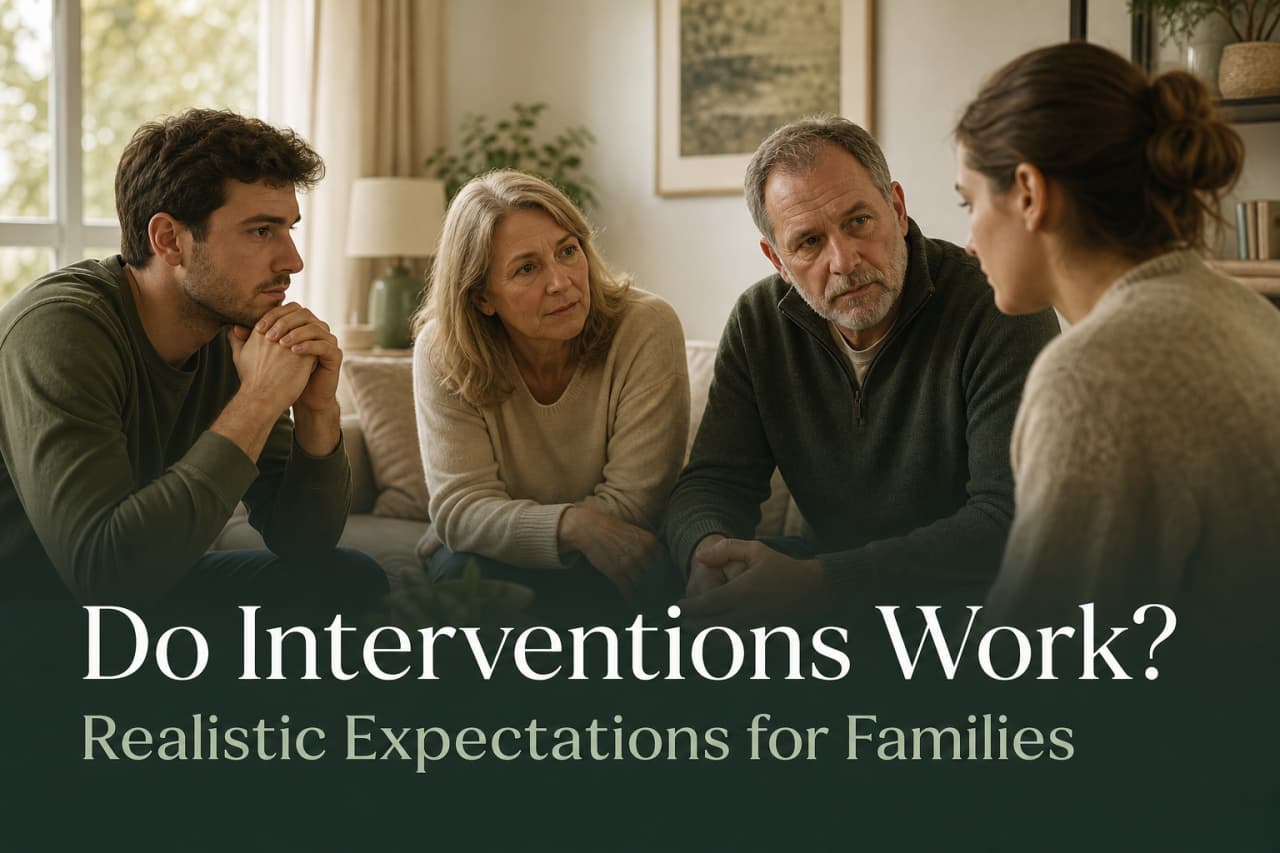
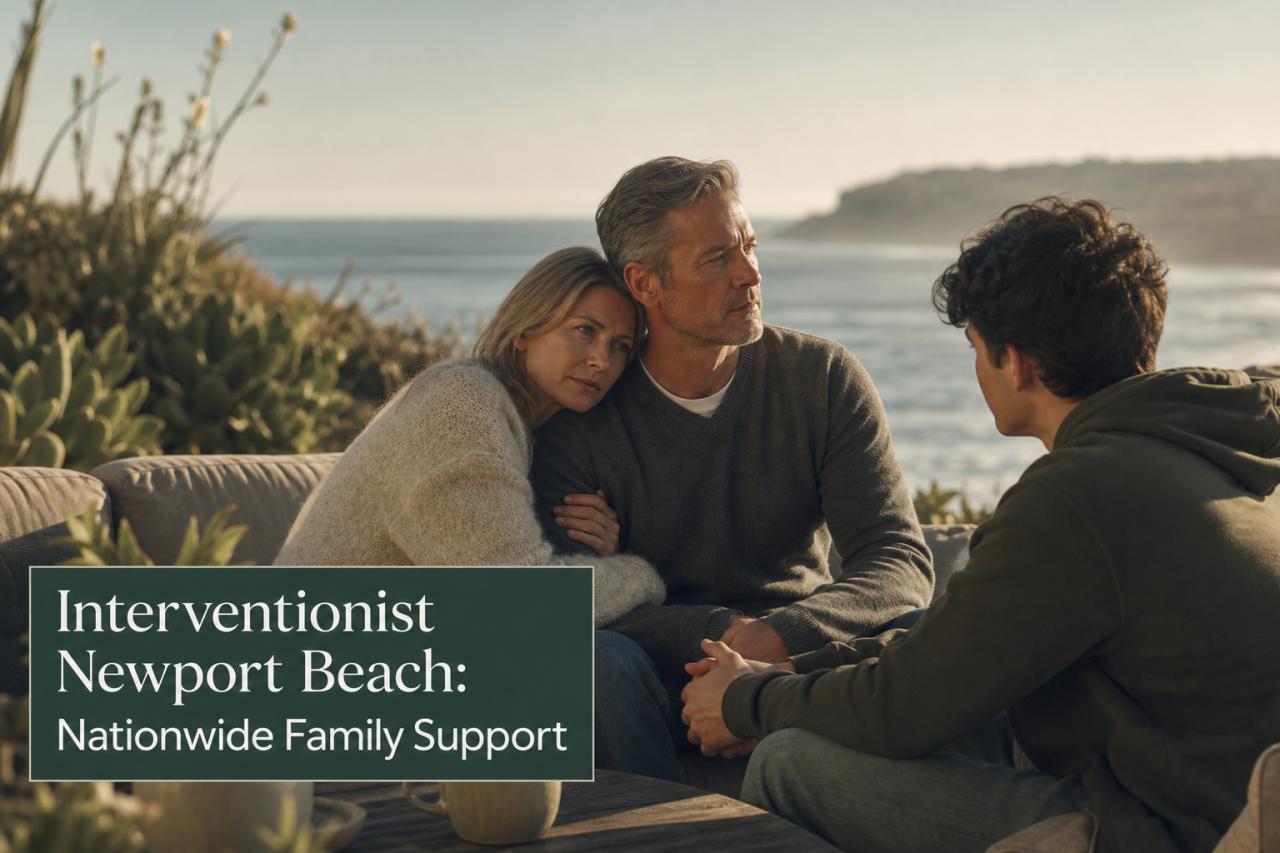
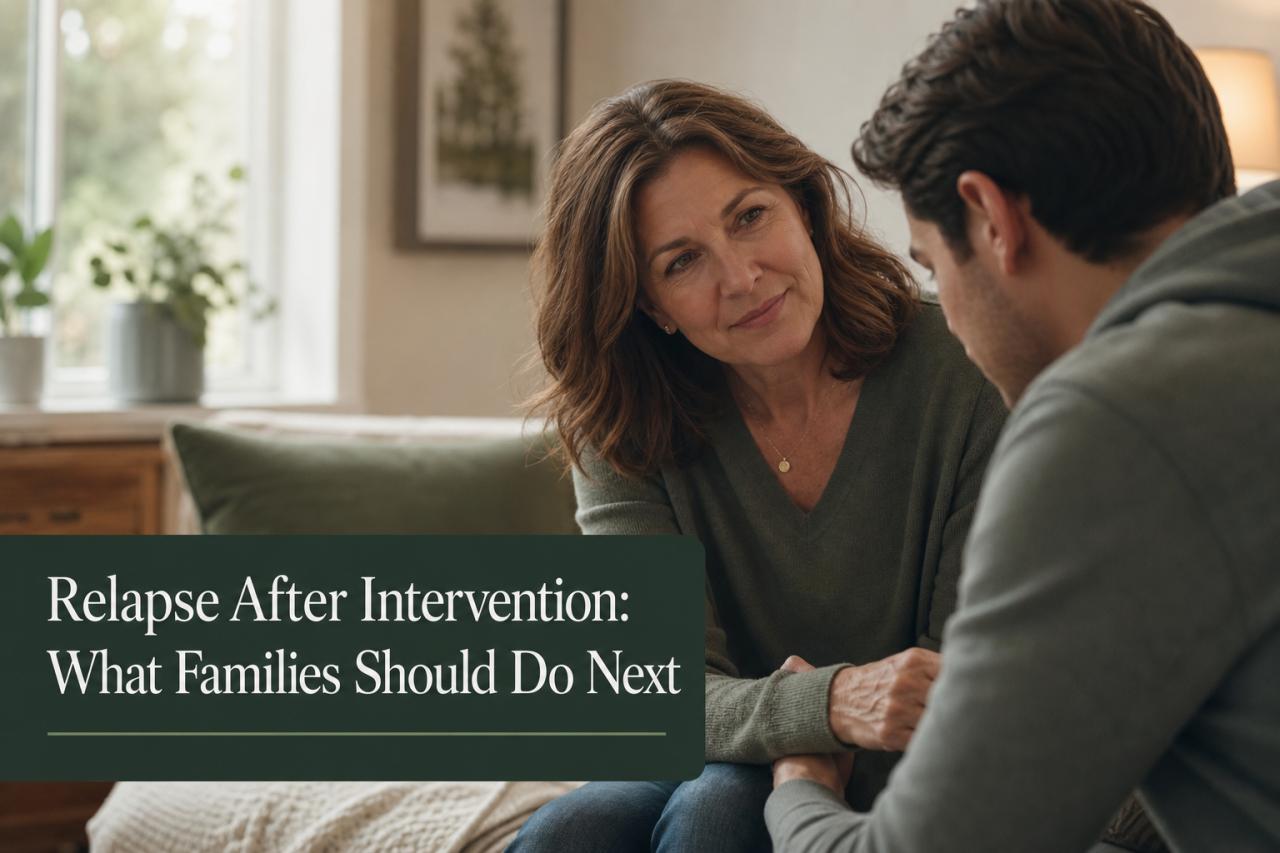
A New York interventionist should settle the meeting site, the arrival order, and the route to treatment before anyone gathers in the same room. Addiction Interventions is available 24/7 and sends certified interventionists to you for in-home or facility-based support in all 50 states, including New York.
Call 911 if someone faces immediate danger, a possible overdose, or another medical emergency. For suicidal thoughts or emotional distress without immediate physical danger, call or text 988 or visit the [988 Suicide & Crisis Lifeline](https://988lifeline.org/). Emergency responders take priority over a scheduled intervention.
A professional intervention is a structured conversation meant to open the door to treatment. Compassion, preparation, and firm boundaries guide the work. You can read SAMHSA guidance on helping someone with substance use or mental health concerns, while a certified intervention specialist prepares your family for the meeting and coordinates treatment placement if the person accepts.
What a New York Interventionist Plans Before the Meeting
The plan works backward from the proposed treatment option and a place everyone can reach. Before travel is booked, the specialist maps where each participant will wait, how the person will arrive, and what happens right after the conversation. That sequence keeps the family from making big decisions while emotions are running high.
In an apartment building, it helps to know the rules ahead of time, such as lobby access, the front desk, elevators, visitor entry, and parking. Tell the specialist about them before the intervention date. Privacy falls apart fast if relatives gather in a hallway or keep asking staff to let them up.
Families outside the city face a different problem. The drive between the meeting place and a receiving program can set the intervention time and the transportation plan. For example, a two-hour drive to a facility means the meeting should start early enough that the person arrives during admission hours. The handoff should cover admission instructions, any personal items the program requests, and who will ride along with your loved one.
Build one fallback for late arrivals, changed building access, or an unavailable room. Pick one family member to own updates, because too many text threads produce conflicting instructions.
The room, route, and next step should be decided before the conversation starts.
How Family Preparation Changes the Conversation
The first call is free and confidential, and it gives you a place to describe recent events without committing to anything. At Addiction Interventions, you speak directly with David rather than a centralized call center. That call leads into four phases of work.
In the first phase, the team listens without judgment, names the immediate concerns, and explains your options. Family preparation comes next, and the specialist coaches participants on what to say, what to expect, and how to set loving but firm boundaries. At the intervention itself, a certified specialist leads a calm, structured conversation focused on accepting help. Ongoing support follows, and the team coordinates treatment placement and keeps working with your family during treatment and after.
Lead Interventionist David Allen Gates is a Certified Intervention Professional and an Internationally Certified Alcohol and Drug Counselor. He has over 20 years of experience directing nationally recognized addiction treatment programs and has personally led over 1,500 interventions.
Addiction Interventions is Joint Commission Accredited and has helped over 1,500 families. Each plan reflects the family dynamics, location, safety concerns, and condition involved.
Preparation also gives your family a shared way to describe what it has seen. The National Institute on Alcohol Abuse and Alcoholism describes alcohol use disorder as a medical condition involving an impaired ability to stop or control alcohol use despite harmful consequences. The Mayo Clinic overview of substance use disorder explains common symptoms and situations that call for emergency help.
Write down observable events instead of assigning labels. Include dates, missed obligations, medical events, financial losses, and clear changes in behavior. Diagnosis belongs to a qualified clinician.
Choosing the Meeting Site and Treatment Route
Choose the site for privacy and controlled access. An in-home intervention keeps everyone in familiar surroundings, but it's a poor fit if entry is unreliable or other occupants could interrupt. A facility-based meeting may offer more control. The specialist recommends a setting after reviewing the full situation.
Participants need a specific arrival order, since family members who enter too early can tip off the loved one and late arrivals can delay the start. The specialist also decides who should take part based on family dynamics, and every person in the room gets a defined role.
During the intervention, the certified specialist leads the conversation and keeps it focused. Family members describe how the behavior has affected them, offer one treatment option, and state boundaries they're prepared to keep. Arguing about diagnoses or revisiting every old conflict pulls attention from the decision in front of everyone.
When the person accepts treatment, the next part of the plan starts right away. The receiving program's admission instructions and transportation details should already be in hand. Ongoing support covers treatment placement coordination and follow-through during treatment and beyond.
Nobody can guarantee the person will say yes. If they decline, the specialist helps your family hold the boundaries you prepared and decide what communication should happen next.
Cost, Insurance, and Safety Decisions
Ask for the full scope before professional travel is booked. The conversation should spell out how the fee covers travel, family coaching, the intervention meeting, treatment placement coordination, and follow-through. Each plan is built for that family, so the price depends on those pieces.
Ask your insurer directly which services your policy covers. An intervention consultation and a clinical treatment admission are separate decisions. Confirm benefits, exclusions, deductibles, and authorization requirements with the insurer and the receiving program before you rely on coverage.
Your first call with Addiction Interventions is free and confidential, with no commitment. You can use it to talk through the proposed plan, travel needs, fees, and treatment placement options.
Tell the intervention team about recent threats, access to weapons, medical instability, suicidal statements, or unpredictable behavior on the first call. Those details affect where and how the meeting can happen, and safety comes before the schedule.
Frequently Asked Questions
Is Addiction Interventions based in New York?
Addiction Interventions is headquartered in Newport Beach, California, and serves families nationwide through certified interventionists who travel directly to the client's location. New York families can receive in-home or facility-based intervention support.
How quickly can a New York interventionist arrive?
The team is available 24/7. Arrival timing depends on your location, the specialist's travel, family preparation, safety factors, and treatment placement, and the team will give you a realistic timeline once they've reviewed those details with you.
What happens if my loved one refuses treatment?
The specialist helps your family keep the boundaries prepared before the intervention and plan the next communication. Ongoing family support stays part of the four-phase process either way.
Can you address substance use and mental health concerns together?
Yes. Addiction Interventions provides dual diagnosis interventions for people who may need integrated support for a substance use disorder and a co-occurring mental health condition. Services also include mental health interventions involving depression, anxiety, or PTSD.
Which intervention model will you use?
Each plan is built around the specific situation. Leadership is trained in ARISE, the Johnson Model, and Family Systems Intervention. The structure chosen depends on the person, family dynamics, condition, and current risks.
Is the first consultation confidential?
Yes. The first consultation is free and confidential, with no commitment required. You speak directly with David instead of being routed through a call center.
Speak Directly With Addiction Interventions
Call 949-776-7093 at any hour for a free, confidential consultation. Have your loved one's current location, recent events, safety concerns, likely participants, and possible treatment needs ready so David can form an initial picture.
The headquarters is at 3822 Campus Dr #300-B, Newport Beach, CA 92660, and the certified interventionist network travels to families in New York.