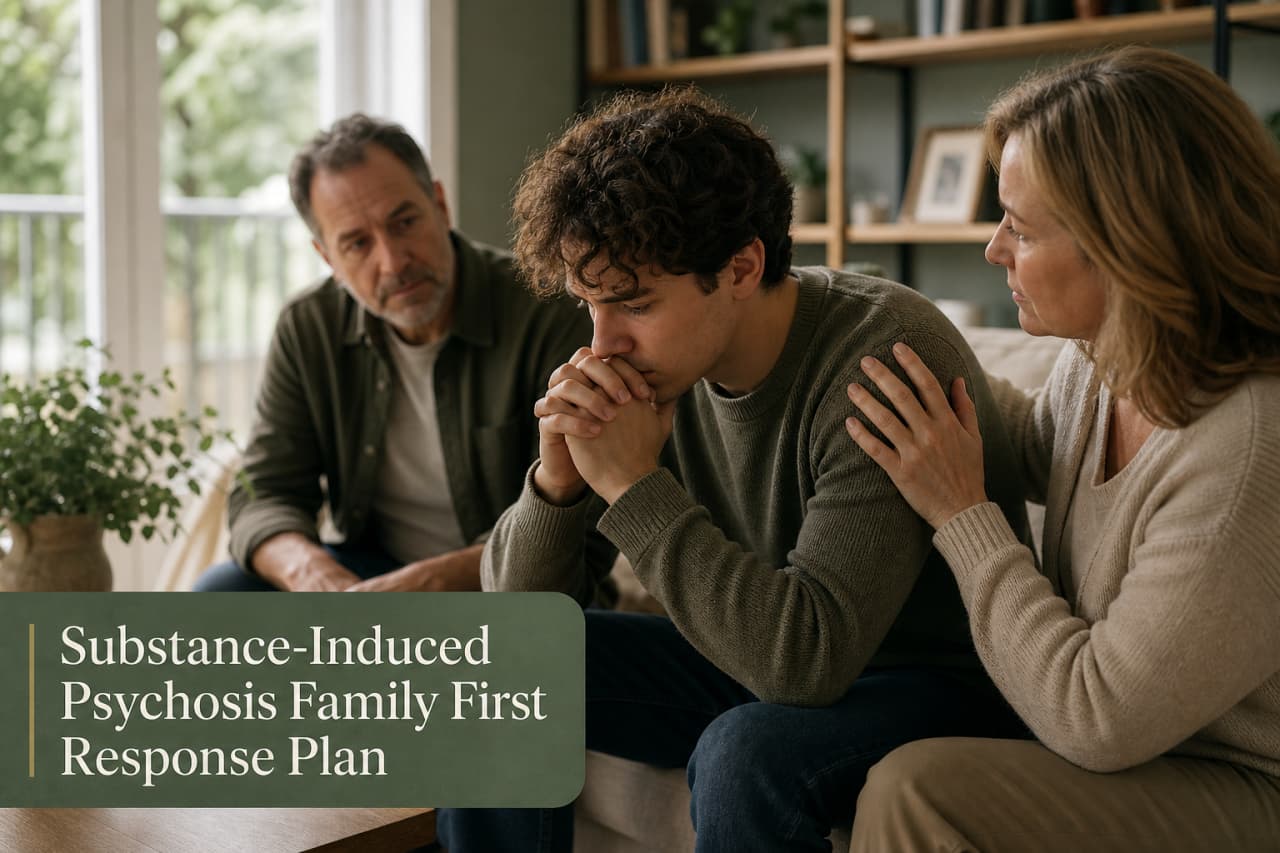
A therapy referral can fail before the first appointment when a loved one denies the problem, refuses care, or never shows up. A mental health interventionist helps your family prepare a structured conversation, set firm boundaries, and arrange an appropriate next step. Substance use does not have to be part of the picture.
Addiction Interventions works with families facing depression, anxiety, PTSD, and other mental health concerns, including cases with no known alcohol or drug use. We help you decide whether a direct referral is realistic or whether resistance itself is the first problem to address.
Intervention and therapy referral solve different problems
A therapy referral works best when your loved one agrees that something is wrong and will attend an appointment. You can offer provider names, help with scheduling, and support follow-through. That route is usually simpler when the person is willing and the situation is stable.
A professional intervention addresses resistance before treatment begins. The interventionist prepares your family, leads the meeting, and helps connect the person with care. An intervention does not replace clinical assessment or therapy. Its purpose is to open the door to those services.
| Decision point | Therapy referral | Professional intervention |
|---|
| Willingness | The person agrees to seek care | The person denies the concern or refuses care |
| Family role | Offer options and appointment support | Prepare a shared message and firm boundaries |
| Professional role | A clinician assesses and treats | An interventionist prepares and leads engagement |
| Immediate goal | Attend an evaluation or therapy appointment | Accept an evaluation, treatment, or another planned level of care |
| Follow-through | The person works directly with the clinician | The intervention team coordinates placement and supports the family afterward |
At Addiction Interventions, the process begins with a free, 100 percent confidential consultation. No commitment is required. You speak directly with one of our co-founders rather than a centralized call center, so you can discuss refusal, family conflict, safety concerns, and earlier attempts to arrange care.
Use a direct therapy referral when willingness is present. Consider an intervention when refusal prevents care from beginning.
Signs a mental health intervention may fit
A professional intervention may fit when mental health symptoms are disrupting daily life and repeated requests to seek care have not worked. You do not need a settled diagnosis before asking for guidance. The first decision is whether the current pattern can continue safely.
The Mayo Clinic overview of mental illness explains that symptoms can affect emotions, thoughts, behavior, relationships, work, and daily responsibilities. Families often notice the functional change before they know its clinical name.
Look at the pattern. Your loved one may reject every referral, agree to appointments but never attend, or insist that the family is the problem. Family members may start paying bills, making excuses, or avoiding any limit that could spark conflict. Those responses can keep the household stuck even when they come from care and concern.
Addiction Interventions provides mental health interventions and dual diagnosis interventions. The distinction matters. A mental health intervention can address depression, anxiety, or PTSD without known substance use. A dual diagnosis approach fits when mental health and substance use concerns occur together.
If alcohol is also part of the situation, tell the interventionist. The National Institute on Alcohol Abuse and Alcoholism overview of alcohol use disorder describes it as a medical condition with defined symptoms, which may change the type of assessment and treatment under consideration.
Refusal is information.
What a mental health interventionist does
The interventionist turns scattered concern into a planned family response. Addiction Interventions uses four phases so your family knows what happens before the meeting, during it, and after your loved one makes a decision.
It starts with a free confidential call. We listen without judgment, ask about the current situation, and explain your options with no commitment required. Next comes family preparation. We coach you on what to say, what to expect, and how to set loving but firm boundaries before the intervention. Then a certified specialist leads a calm, structured conversation meant to open the door to assessment or treatment. Afterward we help with treatment placement coordination and follow-through during care and beyond.
Preparation is where much of the work happens. A spontaneous confrontation can turn into an argument because family members walk in with different messages and limits. Pre-intervention coaching gives everyone one plan, including how to respond if the person accepts care, delays, leaves, or refuses.
Our network of certified interventionists travels nationwide across all 50 states. Meetings may occur in the home or at a facility based on the plan. That lets your family work with national standards of care without relying on whoever happens to be nearby.
Safety changes the plan
Call 911 if your loved one is in immediate danger or experiencing a medical emergency. A scheduled family intervention should not delay emergency care.
For a suicide, mental health, or substance use crisis, call or text 988. The [SAMHSA 988 resource](https://www.samhsa.gov/find-help/988) explains how the service connects callers with trained crisis counselors. Use 911 for immediate danger or a medical emergency.
A private intervention fits situations that can be approached with advance planning. The consultation should cover threats, access to weapons, severe confusion, recent emergency events, and any other fact that could affect safety. Do not withhold details to make the situation sound easier.
Addiction Interventions is available 24/7 for families in crisis. We can listen to what is happening and explain intervention options, but emergency responders and crisis services remain the right first contact when danger is immediate.
Family boundaries are part of the intervention
Your family needs a consistent plan before asking your loved one to accept care. Mixed messages weaken the conversation. One person may demand treatment while another removes every consequence, and the person refusing care quickly learns that nothing will change.
Boundaries should protect the household and connect continued support to defined actions. They are not threats written in anger. Each boundary needs to be realistic, clearly stated, and followed by the family member who sets it.
Our pre-intervention coaching covers the exact language your family will use. We also prepare you for likely responses so the meeting does not depend on improvisation. The aim is a calm invitation to care backed by decisions your family can maintain.
Addiction Interventions keeps a whole-family focus because treatment does not occur in isolation. We stay involved with placement coordination and follow-through, giving family members a professional point of contact after the intervention meeting ends.
Compassion and firmness can coexist.
How to choose a mental health interventionist
Choose a provider who can name the person leading your intervention, explain their training, and describe what happens after the meeting. Ask who coaches the family, how treatment options are assessed, and what support continues if your loved one accepts or refuses care.
Addiction Interventions is a Joint Commission Accredited family and crisis intervention company. Lead Interventionist David Allen Gates is a Certified Intervention Professional and Internationally Certified Alcohol and Drug Counselor. He has over 20 years of experience directing addiction treatment programs and has personally led more than 1,500 interventions.
Clinical Director and Lead Interventionist Jennifer Miela-McDaniel began her career as a drug and alcohol counselor in 1993. She is a trauma specialist trained in five intervention models and works with drug, alcohol, gambling, eating disorder, adolescent, geriatric, and mental health cases.
Our team draws from the ARISE method, the Johnson Model, and Family Systems Intervention. Every plan is built around the person and family. We lead with compassion rather than confrontation, but we will not confuse compassion with avoiding boundaries.
Ask direct questions about fees and insurance before agreeing to services. Treat any promised acceptance rate or guaranteed outcome as a warning sign. A professional can prepare the family and lead the meeting well, but no one can promise another person's decision.
Questions Readers Ask
Our team answers free, confidential calls 24/7 and works with families across all 50 states. These are common questions families ask before deciding between a therapy referral and an intervention.
Can you arrange a mental health intervention without addiction?
Yes. Addiction Interventions provides mental health interventions for situations involving concerns such as depression, anxiety, and PTSD, even when no alcohol or drug use is known. The consultation helps determine whether intervention fits the resistance and family pattern you describe.
What happens if my loved one refuses treatment?
Your family follows the boundaries and responses prepared before the meeting. The interventionist helps everyone stay calm and consistent. A refusal does not mean the family returns to the old pattern, and our ongoing support can help you decide what follows.
Can a therapist lead the intervention?
A therapist may help if they have intervention training and can manage the family preparation, meeting, placement coordination, and follow-through. A direct therapy referral is often enough when your loved one is willing. Strong resistance usually calls for a professional whose work centers on interventions.
Can an intervention force someone into treatment?
A private intervention is a voluntary conversation and does not create legal authority to force care. Rules for emergency evaluation and involuntary treatment differ by state. Contact 911 or 988 when immediate danger or an active crisis changes the situation.
How much does a mental health intervention cost?
Our team can discuss current cost information during the free consultation. Each plan is built around the family, and nationwide travel may be involved. Ask what the quoted fee covers, including preparation, the intervention meeting, placement work, and follow-through.
Does insurance cover a mental health interventionist?
Coverage depends on the insurance policy and the service being billed. Ask your insurer for a written explanation of benefits, then discuss payment questions with our team. Do not assume that coverage for therapy also applies to private intervention services.
Talk With Addiction Interventions
Call 949-776-7093 for a free, 100 percent confidential consultation. You will speak directly with a co-founder who can hear what has happened, explain the difference between intervention and a therapy referral, and discuss options with no commitment required.
Addiction Interventions is headquartered at 3822 Campus Dr #300-B, Newport Beach, CA 92660. Our certified interventionist network travels nationwide, and our team is available 24/7.