
Mental Health
October 2, 20268 min read
Substance-Induced Psychosis Family First Response Plan
Use a 911-first response for immediate danger, then move from medical stabilization to professional crisis and intervention planning.
DGC
David Gates, CIPLearn why successful, high-functioning adults often resist mental health treatment and how professional achievement can mask emotional struggles.
David Gates, CIP
Lead Interventionist
Learn why successful, high-functioning adults often resist mental health treatment and how professional achievement can mask emotional struggles.
Mental health struggles are not always obvious from the outside. Someone can maintain a demanding career, manage financial responsibilities, raise a family, and appear successful while privately experiencing serious emotional difficulties. This disconnect can make it especially challenging to recognize when professional support is needed. For high-functioning adults, the same determination and independence that contribute to their professional success can sometimes become barriers to acknowledging mental health concerns and accepting treatment.
High-functioning adults often develop their identities around responsibility, achievement, and reliability. They may be accustomed to solving problems independently and maintaining control in challenging situations. When emotional difficulties emerge, admitting that they need help can feel inconsistent with the image they have worked hard to maintain. This concern may be particularly strong among business owners, executives, healthcare professionals, and individuals whose decisions affect other people.
Privacy can also play an important role in treatment decisions. Some professionals worry that discussing mental health concerns could affect their reputation, career opportunities, or relationships. For individuals seeking more private and personalized options, luxury mental health treatment in California, Maine, or Florida may be one category of care worth exploring. However, treatment decisions should always prioritize clinical qualifications, appropriate services, and the individual's mental health needs rather than amenities or exclusivity. The pressure to appear successful can make it difficult for loved ones to recognize when someone is struggling.
Maintaining productivity is not necessarily evidence of emotional well-being. Some adults respond to anxiety by working harder, staying constantly occupied, or attempting to control every detail of their lives. Others use professional responsibilities as a distraction from uncomfortable emotions or unresolved personal challenges. These behaviors may appear admirable in the workplace even when they contribute to significant distress.
For example, someone experiencing depression may continue performing well professionally while withdrawing from friendships and losing interest in personal activities. Another individual may manage workplace responsibilities effectively but experience panic symptoms, insomnia, or excessive worry outside working hours. These patterns demonstrate why mental health should be evaluated through more than career performance. Daily functioning includes relationships, physical health, emotional stability, and quality of life.
High achievement may also reinforce the belief that stress is simply the price of success. Individuals who have spent years working in demanding environments can become accustomed to chronic tension and limited rest. Over time, they may lose sight of what a manageable level of stress feels like.
Seeking treatment involves acknowledging uncertainty and allowing another person to participate in decisions about personal well-being. For adults accustomed to leadership and independence, this process can feel uncomfortable. They may worry about receiving a diagnosis, needing medication, or changing responsibilities to accommodate treatment. These concerns can become reasons to postpone an assessment even when symptoms are worsening.
Some individuals also have inaccurate assumptions about what mental health treatment requires. They may believe that seeking help automatically means hospitalization, lengthy residential care, or an extended absence from work. In reality, treatment exists across multiple levels of intensity, including outpatient therapy, psychiatric care, intensive outpatient programs, and residential services. The appropriate option depends on symptoms, safety considerations, clinical assessment, and personal circumstances.
Loved ones sometimes overlook mental health symptoms because the individual continues fulfilling everyday obligations. A spouse may notice irritability or emotional distance but attribute these changes to career stress. Friends might observe increased alcohol consumption or social withdrawal without recognizing a broader pattern. When someone appears successful, others may hesitate to question whether deeper concerns exist.
Family members may also feel uncertain about how to approach the situation. Direct criticism can create defensiveness, particularly when the individual already feels pressure to maintain control. Conversations focused on observable changes and genuine concern are often more productive than attempts to diagnose someone. For example, mentioning persistent exhaustion, disrupted sleep, or changes in relationships may encourage reflection without creating unnecessary conflict.
It is also important for loved ones to establish realistic expectations about their influence. They can express concern, offer practical assistance, and encourage professional evaluation, but they cannot guarantee that another adult will accept treatment.
Mental health treatment does not need to begin only after someone experiences a major crisis. Persistent anxiety, depression, sleep disturbances, emotional withdrawal, or unhealthy coping behaviors can justify seeking a professional assessment. Earlier support may help individuals understand their symptoms and develop more effective strategies before daily functioning deteriorates. The decision to seek care should reflect the seriousness and persistence of symptoms rather than how well someone appears to perform professionally.
About the Author

David Allen Gates is a Certified Intervention Professional (CIP) and founder of Addiction Interventions. He has personally led more than 1,500 family interventions nationwide.
Full bioUse a 911-first response for immediate danger, then move from medical stabilization to professional crisis and intervention planning.
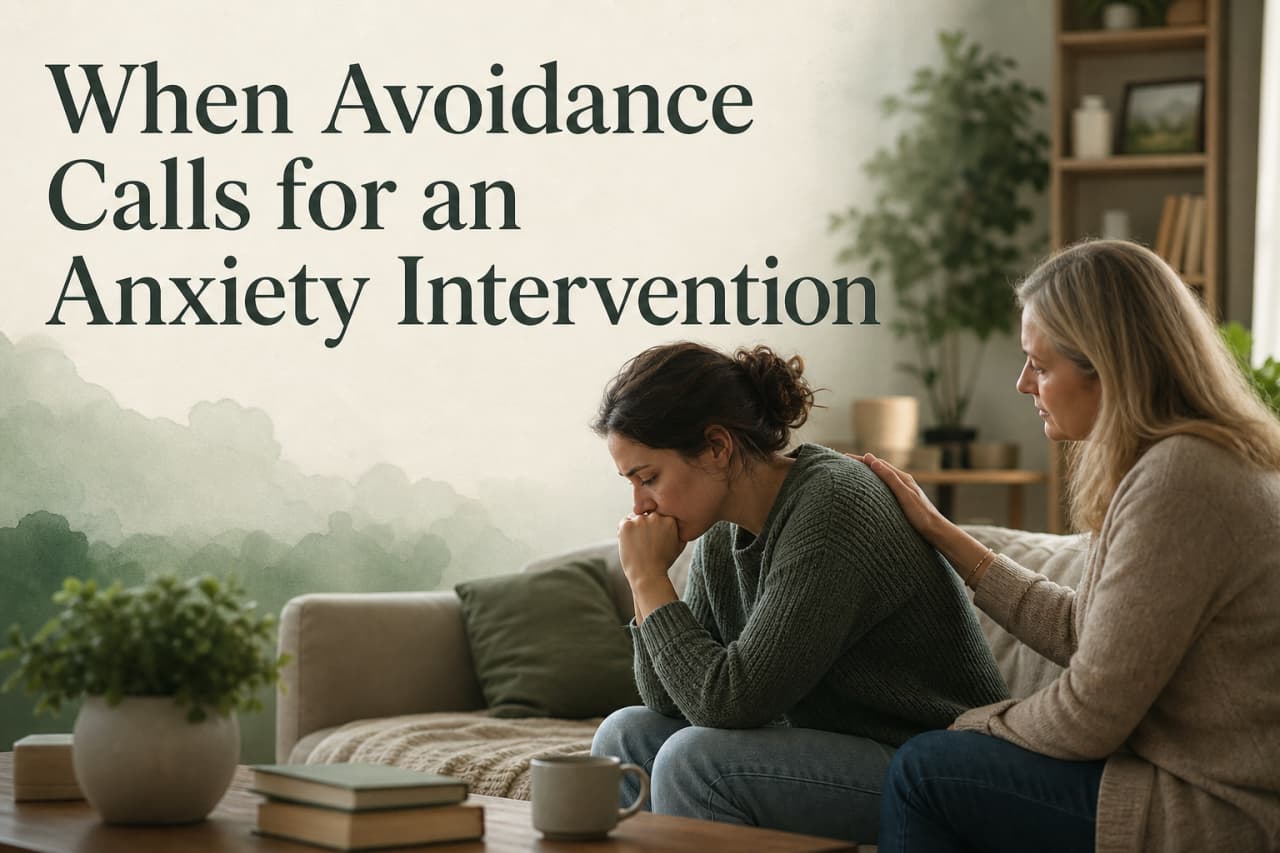
Anxiety-driven avoidance becomes a family crisis when daily function collapses. Here is what accommodation looks like and how a professional intervention works.
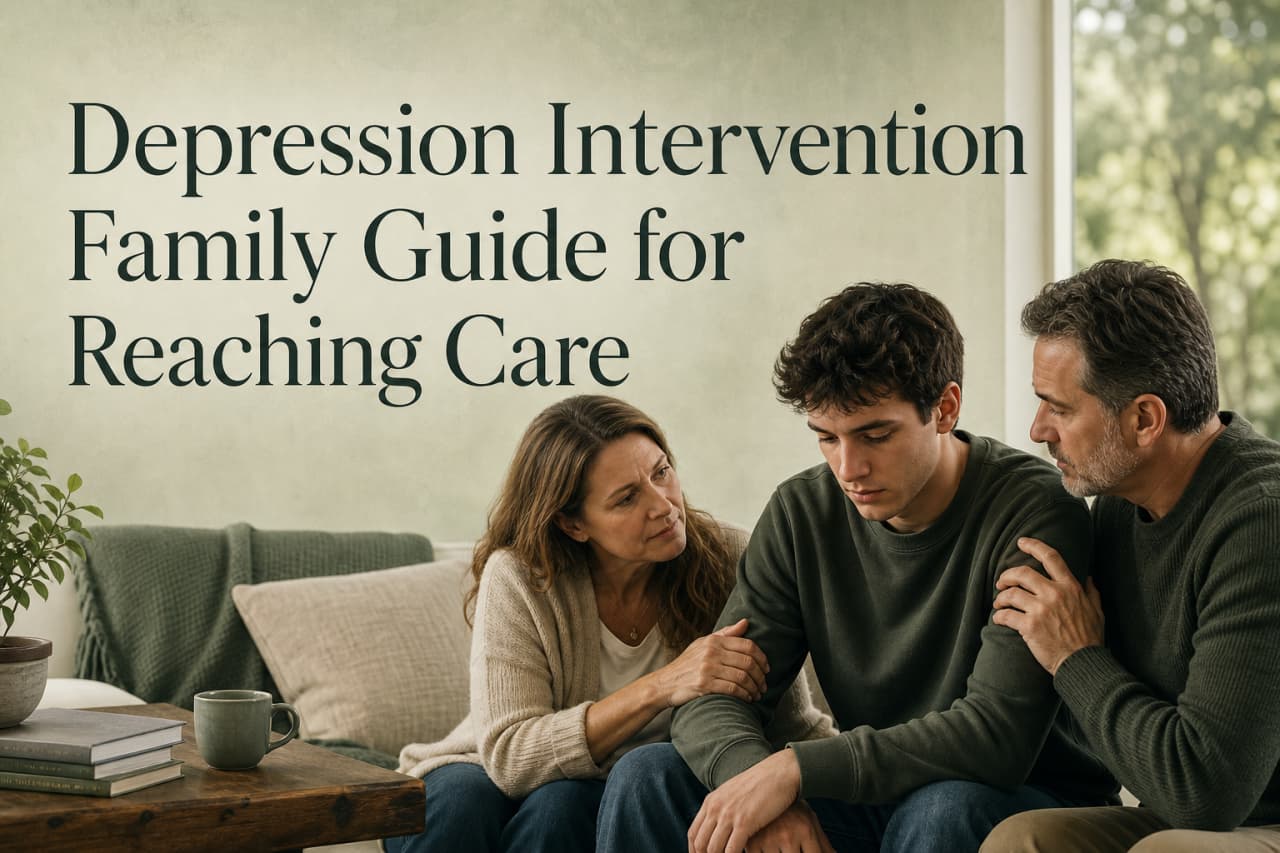
Families can assess risk, prepare a depression intervention, handle refusal, and move a loved one toward clinical care with a clear plan.

Families often spend enormous energy getting someone into treatment.

Learn how to compare mental health treatment options by evaluating credentials, care levels, staffing, family involvement, costs, and aftercare.

Substance use is not required for a mental health intervention. A structured family meeting can fit better than a direct therapy referral when refusal blocks care.
If this article resonated with your situation, a certified interventionist can help you understand your options — confidentially, with no pressure and no cost for the first call.