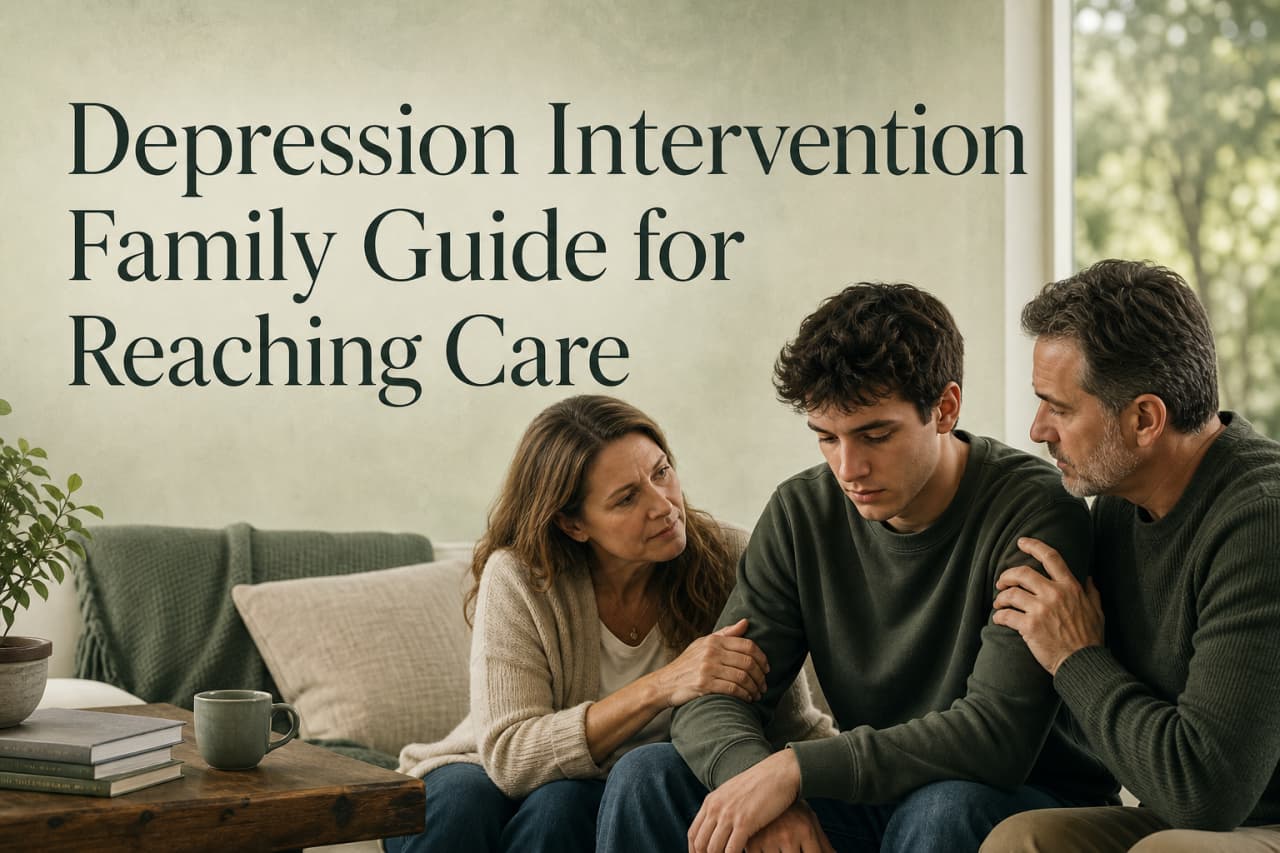
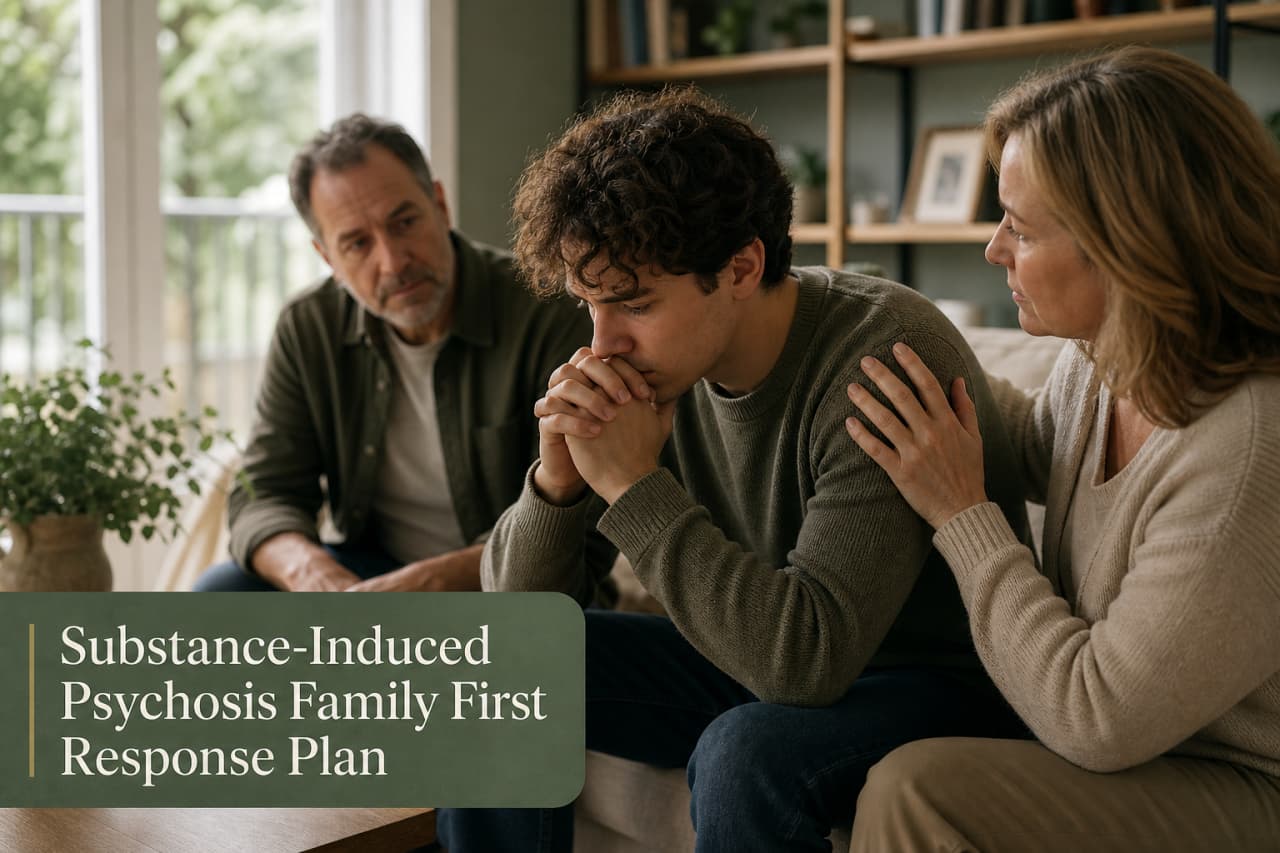
Thoughts of suicide, a plan for self-harm, or a threat to others require emergency action first. A scheduled meeting can wait. Once the household is stable enough for a depression intervention family plan, a professional can help you assess risk, prepare a calm conversation, identify care options, and set boundaries that protect everyone under the same roof.
When a Depression Intervention Family Plan Fits
Professional intervention fits when concerning behavior keeps going and ordinary family talks end in denial, conflict, or promises that never stick. The aim is a structured path toward assessment and care. An intervention does not diagnose anyone. Families should not base the meeting on a label they assigned on their own.
The Mayo Clinic overview of depression lists signs that can disrupt daily life, including loss of interest, changes in sleep or appetite, trouble concentrating, and thoughts of death. Families often seek professional direction after these patterns interfere with work, school, relationships, medical care, or basic routines.
Addiction Interventions runs mental health interventions for depression along with crisis, family, teen, and dual diagnosis interventions. Every plan is built around current safety, treatment history, family dynamics, substance use, and the person's willingness to discuss care.
An immediate safety threat changes the plan. Use emergency or crisis services before arranging an intervention meeting.
Safety Comes Before the Family Meeting
Call 911 if someone has attempted suicide, has an immediate plan and access to the means, cannot remain safe, or poses an immediate threat to another person. Follow the emergency responder's instructions. A scheduled family meeting should never delay urgent medical care.
For crisis support, call or text 988 or use the 988 Suicide & Crisis Lifeline. The service can help you decide the next immediate action and connect with local crisis resources. Use 911 when the danger is immediate.
Our team is available 24/7 to help families weigh options after immediate safety has been handled. Addiction Interventions serves all 50 states, but emergency dispatch stays with 911 and local responders.
The Four Phases From First Call to Follow-Through
A planned intervention at Addiction Interventions moves through four phases after the free confidential intake call. Each one cuts guesswork. The sequence readies the family for acceptance, hesitation, or refusal before anyone sits down together.
It starts with a free confidential call. We listen to what has happened, ask about immediate safety, and explain possible next steps. That first consultation is free and fully confidential. Next comes family preparation. The interventionist coaches relatives on what to say, which facts to present, what reactions to expect, and which boundaries they can actually keep. Then the intervention meeting itself. A certified specialist leads a calm, structured conversation that ties observed behavior to a specific care option. After that, ongoing support. Our team coordinates treatment placement and admissions details across the care path the family chose, then stays involved with follow-through during treatment and after discharge when the household still needs structure.
That sequence matters.
Treatment options should be lined up before the meeting. If the person accepts help, the family needs a practical route into care instead of several days of hurried calls, shifting plans, and fresh arguments.
Family Preparation Stops Improvised Conversations
Preparation with a Certified Intervention Professional at Addiction Interventions turns vague worry into specific observations. Family members write down what happened, when it happened, and how it affected safety or daily responsibilities. Missed medical appointments and unexplained absences carry more weight than attacks on character.
The family also looks at rescue patterns. Those can include covering for missed obligations, handing over money without limits, hiding dangerous behavior, or making threats no one plans to keep. Family boundaries do not cause depression. They give relatives a clear way to respond while care is still being refused.
Before the meeting starts, the family and interventionist should agree on how to respond if the person accepts care, asks for more time, leaves the room, or says no. Each boundary must name what the family member will do and stay realistic enough to hold.
No one improvises.
Addiction Interventions gives pre-intervention coaching so you know what to say and what to expect. Our whole-family approach also addresses patterns that could keep conflict going after treatment begins.
Plan for Refusal and Co-Occurring Substance Use
Refusal should be planned for before the conversation starts. No interventionist can promise that someone will accept care. A prepared response keeps the meeting from turning into a debate and helps the family hold the boundaries set during coaching.
A family intervention does not create legal authority to force treatment. Emergency evaluations follow state rules and are handled by medical or crisis professionals. If safety changes during or after the meeting, call 911 or 988 based on the level of danger.
Substance use also changes the care path. The National Institute on Alcohol Abuse and Alcoholism explains that alcohol use disorder commonly occurs with depressive disorders. Treating one concern while ignoring the other can leave major needs untouched.
Addiction Interventions provides dual diagnosis interventions when depression and substance use occur together. We coordinate placement for programs that can assess both concerns rather than asking the family to decide which condition matters most.
Families looking for broader treatment and crisis resources can also review SAMHSA's Find Support information. A professional interventionist can help turn those options into a plan based on the person's current needs.
Choose the Intervention Model for the Case
A compassionate and structured model is our preferred starting point for depression when immediate safety allows it. A confrontational opening can shut the discussion down before the person hears the care plan. Calm delivery still lets the family state firm boundaries.
Lead Interventionist David Allen Gates is trained in ARISE, the Johnson Model, and Family Systems Intervention. He is a Certified Intervention Professional and an Internationally Certified Alcohol and Drug Counselor. David has over 20 years of experience directing addiction treatment programs and has personally led over 1,500 interventions.
Clinical Director and Lead Interventionist Jennifer Miela-McDaniel began working as a drug and alcohol counselor in 1993. She is a trauma specialist trained in five intervention models, including the invitational and non-confrontational ARISE approach. She also specializes in adolescent and geriatric interventions.
The model follows the case. Safety, age, trauma history, family participation, previous treatment, and co-occurring substance use all shape how the meeting should run.
Costs, Insurance, and Nationwide Logistics
Ask for the scope of service before agreeing to an intervention. The written explanation should state what preparation, travel, the intervention meeting, placement coordination, and follow-up include. Treatment program charges may sit separate from the professional intervention fee.
Insurance benefits depend on the plan and the service provided. Verify coverage directly with the insurer before counting on it. No coverage or out-of-pocket amount should be assumed without confirmation.
Addiction Interventions offers a free and fully confidential first consultation. Our certified interventionists travel nationwide across all 50 states for in-home and facility-based interventions. We are a Joint Commission Accredited family and crisis intervention company.
Our headquarters is at 3822 Campus Dr #300-B, Newport Beach, CA 92660. Your consultation goes directly to one of our co-founders rather than a centralized call center.
What People Want to Know
Can a family arrange an intervention for depression without addiction?
Yes. Addiction Interventions provides mental health interventions for depression even when substance use is not the main concern. The plan may focus on psychiatric assessment, treatment placement, family boundaries, and follow-through.
What happens if our loved one refuses treatment?
The interventionist helps the family respond without restarting the same argument. Care options stay clear, boundaries are restated, and the family receives direction on what to do if behavior or safety changes. Acceptance can never be guaranteed.
How is a depression intervention different from an addiction intervention?
Both use family preparation and a structured meeting, but the clinical care options differ. A depression intervention may focus on mental health assessment and psychiatric care. A dual diagnosis plan addresses depression and substance use together.
Who should attend the intervention?
The interventionist selects participants based on the person's relationships, current safety, and family dynamics. A smaller prepared group is often more useful than inviting every concerned relative. Each participant receives coaching before the meeting.
How quickly can an interventionist travel?
Our team is available 24/7 and serves all 50 states. Travel timing depends on location, safety, family preparation, and care placement. We will not promise a response time before reviewing the case.
Is the first call confidential?
Yes. The initial consultation is free and fully confidential. You will speak directly with one of the Addiction Interventions co-founders rather than a centralized call center.
Speak Directly With a Co-Founder
Call Addiction Interventions at 949-776-7093 to discuss the depression symptoms, safety concerns, treatment refusal, and family patterns you are seeing. Our team is available 24/7 for families nationwide. If someone faces immediate danger, call 911. For crisis support, call or text 988.