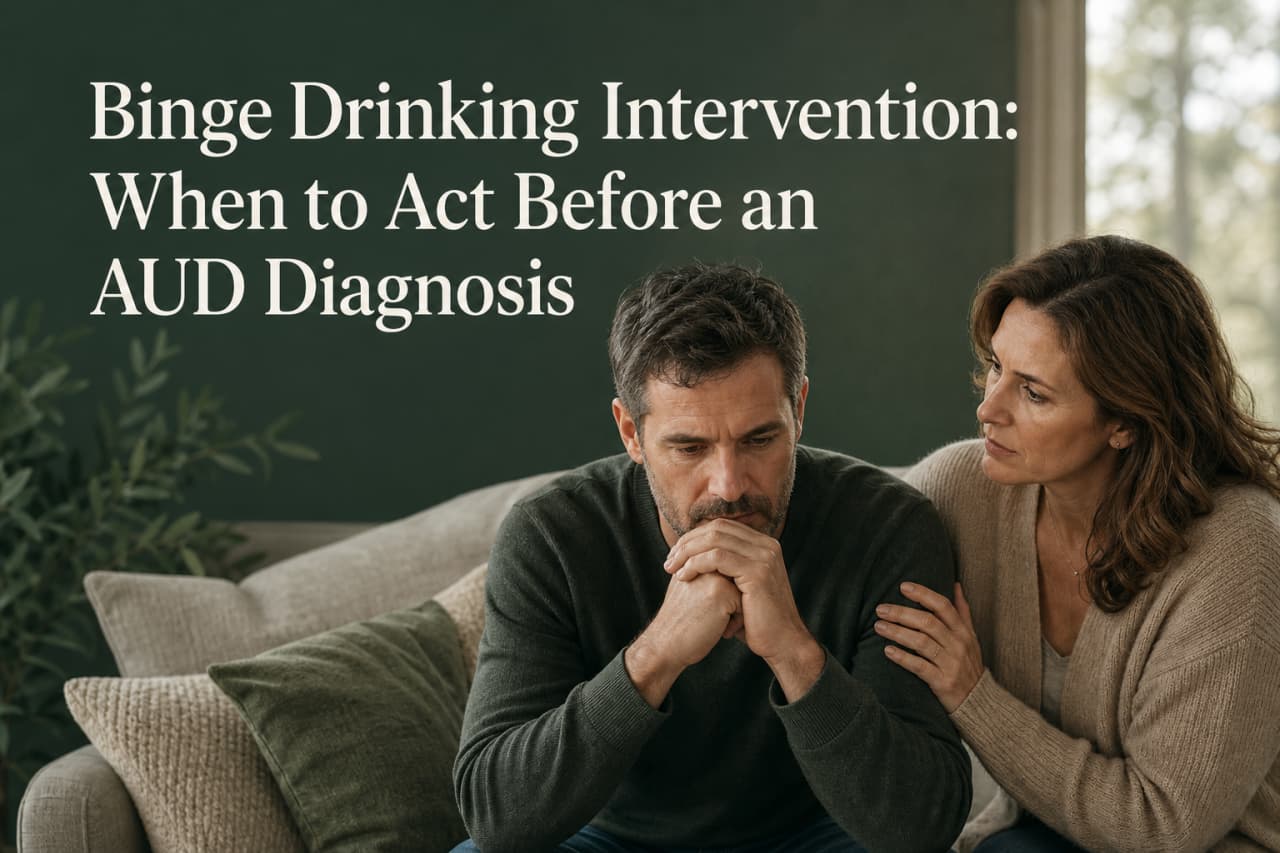
Transformative Alcohol Intervention Tips to Help Loved Ones
Help your loved ones navigate alcohol challenges with effective intervention tips. Learn compassionate strategies for support and lasting change today.
jake
Lead Interventionist
March 16, 2026
6 min read
Share
Help your loved ones navigate alcohol challenges with effective intervention tips. Learn compassionate strategies for support and lasting change today.
Alcohol Intervention Tips: How to Stage Effective Interventions for Alcohol Addiction
Alcohol addiction is a serious issue that affects millions of individuals and their families. Recognizing the signs of alcohol addiction and understanding how to stage an effective intervention can be crucial steps in helping a loved one seek the help they need. This article provides comprehensive alcohol intervention tips, focusing on identifying key signs of addiction, planning and executing interventions, and the benefits of involving professional interventionists. By addressing these critical areas, families can create a supportive environment that encourages recovery and healing.
What Are the Key Signs of Alcohol Addiction to Recognize?
Identifying the signs of alcohol addiction is the first step toward helping someone in need. Common indicators include changes in behavior, physical health issues, and emotional instability. Recognizing these signs early can lead to timely intervention, which is essential for effective treatment.
1Behavioral Changes: Look for withdrawal from social activities, neglecting responsibilities, or increased secrecy about drinking habits.
2Physical Symptoms: Noticeable signs may include weight loss, poor hygiene, or frequent hangovers.
3Emotional Instability: Mood swings, irritability, or depression can also signal a problem with alcohol.
Understanding these signs can empower families to take action before the situation worsens.
How to Identify Behavioral and Physical Symptoms of Alcohol Abuse
Understanding the behavioral and physical symptoms of alcohol abuse is vital for families. Behavioral symptoms often manifest as changes in social interactions and daily routines. Physical symptoms can include health issues that arise from excessive drinking.
1Behavioral Symptoms: Increased aggression, isolation from friends and family, and neglecting personal responsibilities are common.
2Physical Symptoms: Frequent illnesses, liver problems, and changes in appearance can indicate alcohol abuse.
3Impact on Daily Life: Alcohol abuse can severely affect work performance, relationships, and overall quality of life.
Recognizing these symptoms can help families approach the situation with compassion and urgency.
When to Seek Help: Early Warning Signs for Families
Knowing when to seek help for a loved one struggling with alcohol addiction is crucial. Early intervention can prevent further deterioration of their health and well-being.
1Early Warning Signs: If a loved one exhibits signs of dependency, such as needing alcohol to function or experiencing withdrawal symptoms, it’s time to act.
2Importance of Timely Intervention: The sooner help is sought, the better the chances of successful recovery.
3Resources for Families: Various support groups and professional services are available to assist families in navigating this challenging situation.
Recognizing these early warning signs can lead to timely and effective intervention.
How Do You Plan and Stage an Alcohol Intervention?
Planning and staging an alcohol intervention requires careful consideration and preparation. It is essential to approach the situation with sensitivity and a clear strategy.
1Planning Steps: Gather information about the loved one’s drinking habits and prepare a list of specific examples of their behavior.
2Key Considerations: Choose a suitable time and place for the intervention, ensuring it is a safe and comfortable environment.
3Role of Family Members: Each family member should have a specific role during the intervention to ensure a unified approach.
For families seeking professional assistance, Addiction Interventions offers expert guidance and interventionist services to help facilitate the process effectively.
Step-by-Step Guide to Intervention Planning and Execution
Executing an intervention involves several critical steps to ensure it is effective and compassionate.
1Gathering Support: Involve close friends and family members who can provide support and share their concerns.
2Creating a Script: Prepare what each participant will say to express their feelings and concerns without placing blame.
3Setting Boundaries: Clearly outline the consequences of continued alcohol abuse, emphasizing the need for change.
Following these steps can help create a structured and supportive environment for the intervention.
What Are Effective Intervention Strategies for Alcoholism?
Different strategies can be employed during an intervention to encourage a loved one to seek help for their alcohol addiction.
Strategy
Description
Effectiveness
Direct Approach
Family members express their concerns directly to the individual.
A trained professional guides the intervention process.
High
These strategies can be tailored to fit the specific needs of the individual and family dynamics.
Why Choose a Professional Alcohol Interventionist?
Hiring a professional interventionist can significantly enhance the effectiveness of an intervention. Their expertise can provide structure and support throughout the process.
1Expertise of Professionals: Interventionists are trained to handle difficult conversations and emotional responses.
2Success Rates: Studies show that interventions led by professionals have higher success rates in getting individuals to agree to treatment.
3Support for Families: Professional interventionists can also provide guidance and support for family members during and after the intervention.
Choosing a professional can make a substantial difference in the outcome of the intervention.
Roles and Benefits of a Professional Interventionist
Understanding the roles and benefits of a professional interventionist can help families make informed decisions.
1Roles in the Intervention Process: They facilitate discussions, mediate conflicts, and ensure that the intervention stays on track.
2Benefits for Families: Families receive emotional support and practical advice on how to approach the situation.
3How They Facilitate Interventions: Professional interventionists use proven techniques to encourage individuals to seek help.
The involvement of a professional can lead to a more organized and effective intervention.
How to Select the Right Interventionist for Your Family
Choosing the right interventionist is crucial for a successful intervention. Families should consider several factors when making this decision.
1Criteria for Selection: Look for credentials, experience, and a compassionate approach.
2Questions to Ask: Inquire about their methods, success rates, and how they handle difficult situations.
3Importance of Fit: Ensure that the interventionist’s style aligns with your family’s needs and dynamics.
Selecting the right interventionist can enhance the likelihood of a positive outcome.
How Can Families Support Loved Ones During an Alcohol Intervention?
Supporting a loved one during an alcohol intervention requires empathy and understanding. Families play a crucial role in the intervention process.
1Emotional Support: Offer reassurance and understanding to help the individual feel safe during the intervention.
2Communication Strategies: Use “I” statements to express feelings without placing blame, fostering a more open dialogue.
3Post-Intervention Follow-Up: Continue to provide support after the intervention, helping the individual transition into treatment.
Families can create a nurturing environment that encourages recovery and healing.
Family Intervention Techniques and Communication Tips
Effective communication is key during an intervention. Families should employ specific techniques to ensure their message is conveyed clearly.
1Effective Communication: Use calm and respectful language to express concerns and feelings.
2Techniques for Intervention: Practice active listening and validate the individual’s feelings to foster understanding.
3Role of Family Dynamics: Recognize how family relationships can impact the intervention process and adjust accordingly.
Implementing these techniques can lead to a more productive and compassionate intervention.
Preparing for Treatment Entry and Ongoing Support
Preparing for treatment entry and providing ongoing support are essential components of the recovery process.
1Preparing for Treatment: Help the individual understand what to expect during treatment and encourage them to ask questions.
2Ongoing Support Strategies: Establish a support network that includes family, friends, and professionals to aid in recovery.
3Importance of Follow-Up: Regular check-ins and support can help prevent relapse and promote long-term recovery.
By focusing on preparation and support, families can significantly impact their loved one’s recovery journey.
About the Author
jake
Lead Interventionist
David Allen Gates is a Certified Intervention Professional (CIP) and founder of Addiction Interventions. He has personally led more than 1,500 family interventions nationwide.
If this article resonated with your situation, a certified interventionist can help you understand your options — confidentially, with no pressure and no cost for the first call.