
Alcohol
July 26, 20244 min read
The Risks and Dangers of Quitting Alcohol Cold Turkey
If you’re sick and tired of abusing alcohol, you may be thinking about quitting “cold turkey”.
ES
Ethan SweetUnderstanding and Coping with the Reality Living with an alcoholic spouse can be an incredibly challenging experience, especially when your partner appears to function normally in everyday life.

Ethan Sweet
Lead Interventionist

Understanding and Coping with the Reality Living with an alcoholic spouse can be an incredibly challenging experience, especially when your partner appears to function normally in everyday life.
Living with an alcoholic spouse can be an incredibly challenging experience, especially when your partner appears to function normally in everyday life. It’s a painful paradox: while they may maintain their job, relationships, and responsibilities, their drinking habits slowly erode their physical health, mental health, and the fabric of your family life. If you find yourself thinking, “My husband lies about drinking,” or “Why does my spouse abuse alcohol even though everything seems fine on the surface?”—you are not alone.
A functioning alcoholic often flies under the radar because they can uphold their daily obligations. However, just because your alcoholic partner seems to have it all together doesn’t mean they don’t have a serious problem. The reality is that alcohol addiction comes in many forms, and alcohol use disorder (AUD) can look very different from one person to the next. Here are some signs that your spouse may be struggling with alcohol abuse:
Living with an alcoholic spouse can take a toll on everyone in the household. Family members often walk on eggshells, unsure of how to address the issue without triggering a defensive reaction. You might feel trapped between wanting to support your spouse and needing to protect your own well-being.
The stress of coping with an alcoholic partner can lead to feelings of resentment, guilt, and helplessness. It’s important to acknowledge these emotions and understand that it’s okay to seek help—not just for your spouse, but for yourself and your family.
Coping with an alcoholic spouse requires a combination of support, self-care, and professional intervention. Here are some strategies to help you navigate this difficult journey:
If your spouse refuses to acknowledge their alcohol use disorder or continues to lie about their drinking habits, it may be time to consider a professional intervention. An intervention is a structured process where family members and loved ones come together to confront the alcoholic partner about their substance abuse in a supportive and non-judgmental way.
At Addiction Interventions, we specialize in guiding families through this process. Our experienced interventionists can help you plan and execute an intervention that gives your spouse the best chance at accepting help and starting their journey toward recovery.
Living with an alcoholic spouse is an incredibly difficult challenge, but you don’t have to face it alone. By understanding the signs of alcohol use disorders, recognizing the impact on your family, and utilizing effective coping strategies, you can navigate this journey with strength and resilience. If you’re ready to take the next step, Addiction Interventions is here to support you in helping your spouse overcome their alcohol addiction and reclaim their life.
Remember: Recovery is possible, and it starts with acknowledging the problem and seeking the right help. Reach out today.
Request a callback right now and get help for your loved one or yourself thanks to the expert team at Addiction Interventions.
What should I do if my spouse refuses to stop drinking?
If your spouse is unwilling to stop drinking, it’s important to approach the situation with care and concern. You can encourage them to seek professional help, join support groups, or consider an intervention. Emotional support from you and other family members can play a critical role in helping them realize the need for change.
How can I take care of my own health while living with an alcoholic spouse?
Living with an alcoholic can take a significant toll on your own health. It’s crucial to prioritize self-care, which includes seeking emotional support, engaging in activities that promote your well-being, and potentially joining support groups. Your health and well-being are essential, and taking care of yourself will enable you to better support your spouse during their recovery journey.
What is the connection between substance use disorders and mental illness?
Substance use disorders and mental illness often co-occur, making the situation more complex. According to the National Institute on Drug Abuse, individuals with mental illness are more likely to experience substance use disorders, and vice versa. It’s important to address both issues in the treatment process to increase the chances of successful recovery.
How can support groups help both you and your spouse?
Support groups provide a safe space for you and other family members to share experiences, gain insights, and receive emotional support. These groups can also offer practical advice on how to cope with your partner’s drinking and contribute positively to their recovery journey.
Can living with an alcoholic spouse lead to domestic violence or intimate partner violence?
Yes, there is a link between alcohol abuse and domestic violence, including intimate partner violence. Alcohol can exacerbate aggressive behavior, leading to dangerous situations. If you or other family members are experiencing domestic violence, it’s critical to seek immediate help from local authorities, support groups, or domestic violence shelters.
What role does emotional support play in the recovery process?
Emotional support is crucial for both you and your spouse during their recovery journey. Offering understanding, encouragement, and empathy can help your spouse feel motivated to change. Additionally, seeking emotional support for yourself can provide the strength needed to navigate the challenges of living with an alcoholic.
How does drug abuse relate to alcohol abuse?
While this page focuses on alcohol abuse, drug abuse is another form of substance use disorder that can often co-occur with alcohol use. Both issues require professional treatment and support to address the underlying causes and promote recovery.
How do I approach the treatment process for my partner’s drinking?
The treatment process should begin with an open and honest conversation with your spouse about their drinking. Encouraging them to seek professional help, whether through therapy, rehab, or an intervention, is the next step. Support from you and other family members can make a significant difference in their willingness to enter treatment.
Can living with an alcoholic spouse affect other family members?
Absolutely. The stress and tension of living with an alcoholic can impact the mental and emotional well-being of other family members, especially children. It’s important to ensure that everyone in the household has access to emotional support and, if needed, professional counseling.
How can I help my spouse on their recovery journey?
Supporting your spouse on their recovery journey involves providing emotional support, encouraging them to seek help, and being patient with the process. Joining support groups, setting healthy boundaries, and taking care of your own health are also key components of supporting their recovery.
About the Author

David Allen Gates is a Certified Intervention Professional (CIP) and founder of Addiction Interventions. He has personally led more than 1,500 family interventions nationwide.
If you’re sick and tired of abusing alcohol, you may be thinking about quitting “cold turkey”.

When a loved one is struggling with substance abuse, alcohol addiction, or mental health, family members often find themselves feeling helpless.
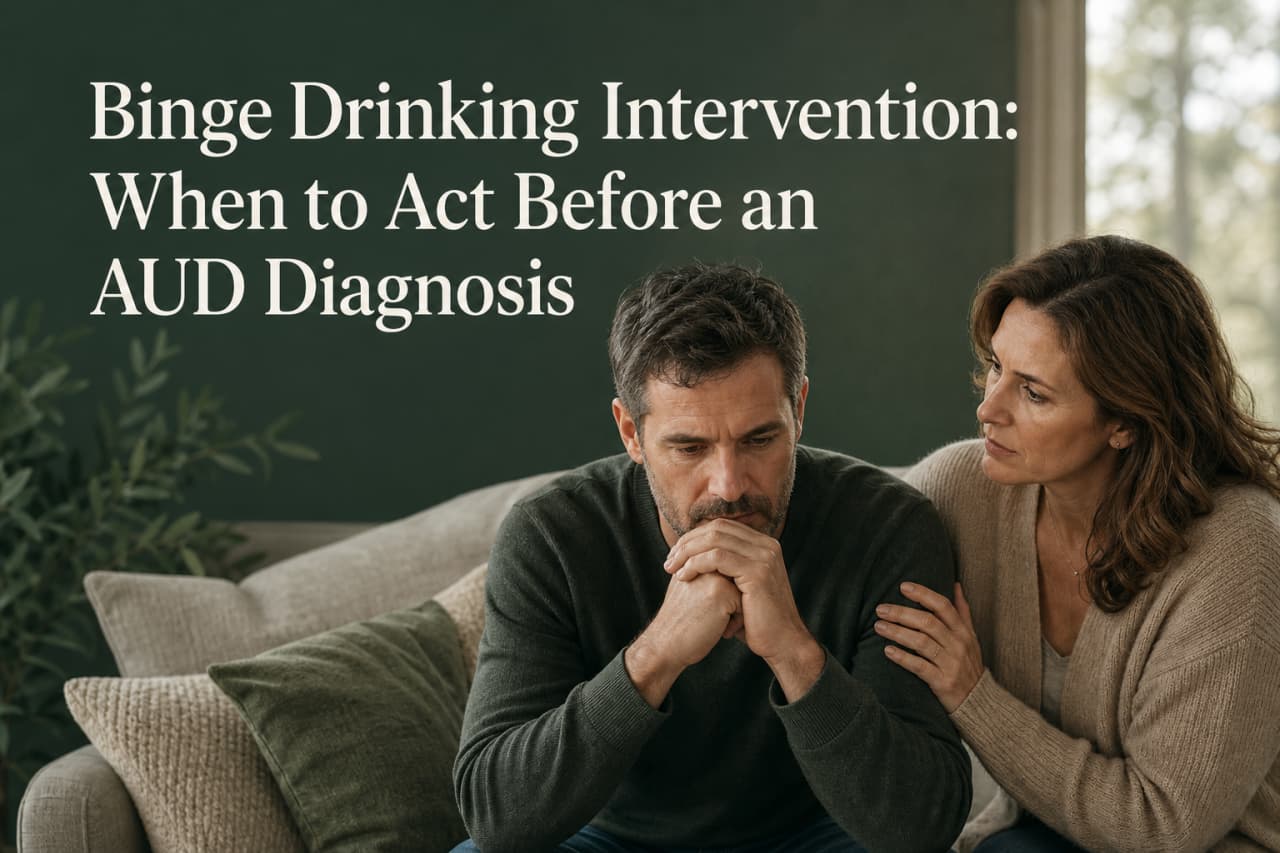
Know when binge drinking calls for a family talk, medical care, or professional intervention without trying to diagnose alcohol use disorder.

Learn how to recognize troubling drinking patterns in a woman you love and start a compassionate conversation about getting help.

Supporting an alcoholic wife requires understanding and compassion. This guide offers professional insights on fostering a healthy environment for recovery.

Help your loved ones navigate alcohol challenges with effective intervention tips. Learn compassionate strategies for support and lasting change today.
If this article resonated with your situation, a certified interventionist can help you understand your options — confidentially, with no pressure and no cost for the first call.