If someone may be overdosing or is in immediate danger, call 911. If your loved one is having suicidal thoughts, call or text 988 to reach the 988 Suicide & Crisis Lifeline. A scheduled intervention should never delay emergency care.
A Christian intervention for addiction works best when a certified interventionist runs the meeting and the family keeps prayer and spiritual support in its own hands, whether the trigger was a missed work shift, a positive drug screen, or a hospital visit. Addiction Interventions answers 24/7 for those moments, and the first call is free. Faith can set the tone of the conversation, while clinical professionals make the medical and treatment decisions.
What Christian intervention addiction planning should include
Use two tests when you evaluate any plan. It should respect the family's beliefs, and it should also address medical risk, mental health symptoms, substance use patterns, treatment placement, and family behavior. Addiction Interventions is Joint Commission Accredited and works with families across all 50 states.
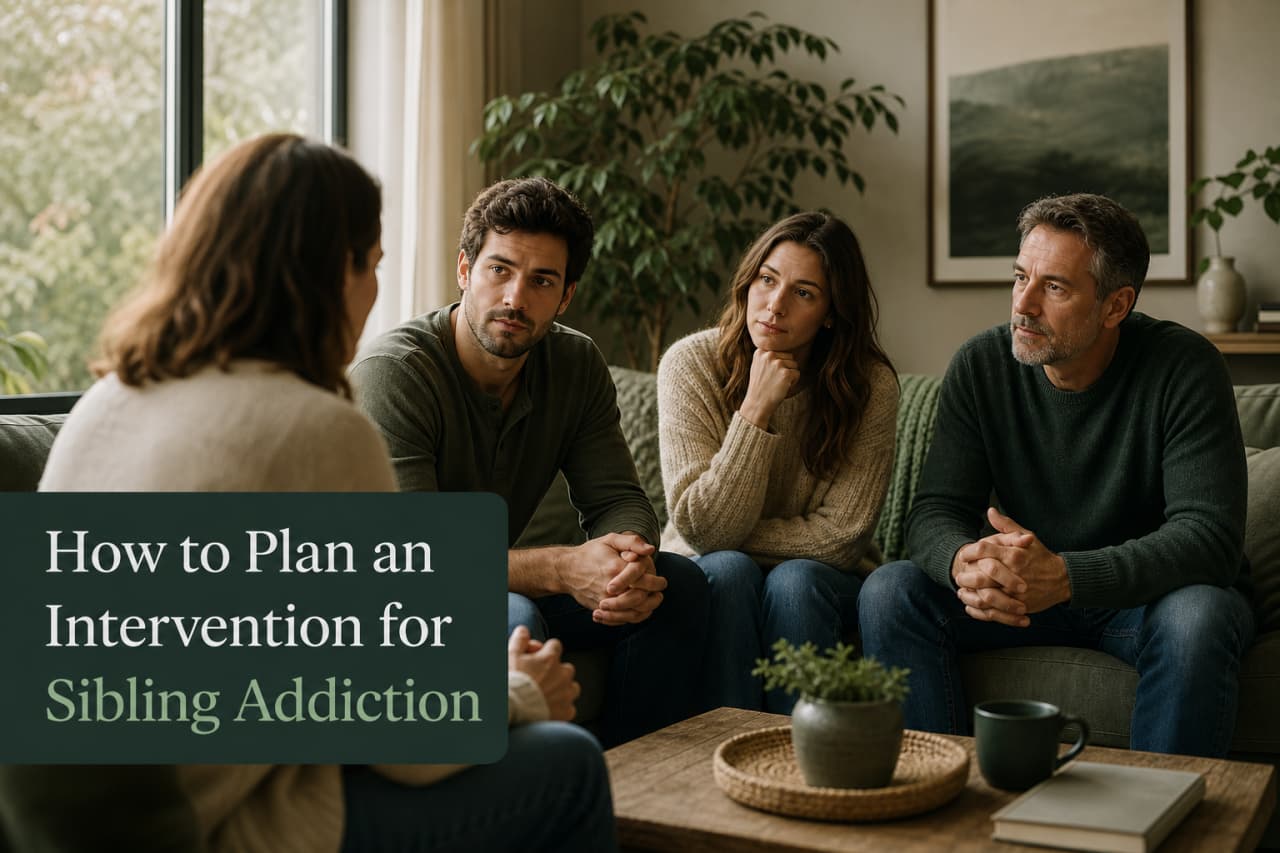
A professional intervention is a planned conversation with a defined purpose. Family members prepare what they'll say, identify treatment options, decide which boundaries they can keep, and agree on how they'll respond if their loved one refuses help. The Mayo Clinic's intervention overview also describes the value of planning with an intervention professional before the meeting.
Faith may shape the opening prayer, the language in family letters, the choice of a clergy member, or the spiritual support requested during treatment. Those choices should steady the room. Spiritual language shouldn't become a tool for humiliation, public exposure, forced confession, or threats of rejection.
Faith deserves respect. So does medical risk.
The strongest plan uses specific facts instead of labels. Family members might describe missed work, unexplained absences, positive drug tests, financial losses, medical events, or sudden behavioral changes. A professional then helps the family drop blame and keep the discussion pointed at treatment.
Give faith and clinical care separate jobs
Faith can shape meaning, hope, forgiveness, and community support. Clinical care evaluates health risks and determines what level of treatment may fit. Addiction Interventions builds each plan around the family's circumstances rather than treating Christian intervention as one fixed model.
Lead Interventionist David Allen Gates is a Certified Intervention Professional and an Internationally Certified Alcohol and Drug Counselor. He has over 20 years of experience directing addiction treatment programs and has led over 1,500 interventions. His formal training includes ARISE, the Johnson Model, and Family Systems Intervention.
A pastor or trusted Christian counselor may participate when that person can follow the intervention plan and protect confidentiality. The certified interventionist should still direct the process when withdrawal risk, suicidal behavior, severe psychiatric symptoms, violence, or treatment placement is involved.
A loved one doesn't have to share the family's beliefs for the meeting to stay respectful of faith. Keep the invitation fixed on safety and care. Making religious agreement a condition of treatment pulls the conversation away from the behavior that brought the family to this point.
How we prepare Christian families in four phases
Our process has four phases, and the meeting itself happens only after the family knows what to say, what treatment option it can offer, and what boundaries will follow.
Phase one is a free, confidential call. We listen to what has happened, flag urgent safety concerns, and explain possible intervention approaches, with no commitment required. Phase two is family preparation, where we coach participants on their statements, likely responses, treatment options, faith preferences, and boundaries. This is also when you decide whether a pastor should attend. Phase three is the intervention itself, led by a certified specialist in a calm, structured conversation meant to open the door to treatment. Family members use prepared facts, not anger. Phase four is ongoing support, where we coordinate treatment placement and keep helping the family with follow-through during treatment and beyond.
Preparation also surfaces disagreements before the meeting. One parent may want an immediate treatment admission while another wants to offer one last chance. A sibling may promise a boundary the family can't safely keep. We work through those conflicts before everyone sits down with the loved one.
The method should fit the person, the family system, and the level of urgency. A gentle invitational approach may fit some cases. A firmer structure may be needed when substance use has continued despite repeated consequences or when the family has already made several unsuccessful attempts.
Set boundaries without shame or enabling during phase two
A loving boundary states what the family will do if treatment is declined. In phase two of our process, we coach families to choose limits they can maintain without humiliation, spiritual threats, or punishment.
Enabling often starts as an attempt to prevent immediate harm. It can mean giving unrestricted cash, lying to an employer, making excuses for repeated absences, paying debts caused by ongoing substance use, or shielding a loved one from every consequence. Those actions may ease tension for a day while leaving the same pattern intact.
Boundaries should be concrete. A parent might stop providing cash while offering to pay a treatment provider directly. A spouse might refuse to let children ride with someone who has been using substances. The right limit depends on safety, housing, finances, children, and medical needs, so families should plan changes with a professional rather than making a sudden cutoff during an argument.
Love still needs limits.
Christian ideas about grace and forgiveness can support recovery. They don't require a family to hide dangerous behavior or absorb repeated harm. Forgiveness and restored access are separate decisions, and trust usually depends on observable actions such as entering treatment, following clinical recommendations, and respecting household rules.
After treatment begins, family members often need to change how they communicate, stop rescuing, and respond consistently if the person returns to use. Our support continues through placement and follow-through rather than ending when the meeting closes.
Choose treatment by clinical need first and faith fit second
Clinical needs should narrow the treatment options before the family weighs spiritual preferences. Addiction Interventions coordinates placement for substance use, mental health concerns, and dual diagnosis cases in which both require integrated attention.
Ask each program three things first. Who conducts the assessment, how does it handle co-occurring mental health symptoms, and how does it decide whether medical withdrawal care is needed? Families should also ask how often they receive updates, what family participation includes, and what happens after the initial level of care ends.
Then ask about faith. Find out whether spiritual services are optional, which Christian traditions are represented, how clergy work with the clinical team, and how the program treats people who hold different beliefs. A program's religious identity can't answer questions about medical supervision, therapy, medication, or dual diagnosis care, so faith fit comes second.
SAMHSA's treatment resources can help families review behavioral health care options. For alcohol-related care, the NIAAA Alcohol Treatment Navigator provides criteria for identifying evidence-based treatment and qualified providers.
No intervention professional can guarantee that a loved one will accept treatment. A prepared family can still present a clear option, avoid bargaining in the room, and follow the boundaries it chose beforehand. That structure gives the conversation a real decision point.
Ask about money before you commit. Your free consultation is confidential, and you can request a clear explanation of intervention fees and included services. Ask how intervention work and treatment are billed, then verify any expected insurance coverage directly with the insurer.
Act immediately when the situation is an emergency
Severe medical symptoms, a suspected overdose, or a risk of violence mean emergency services come first, and the intervention waits until the person is medically stable.
Don't ask a person with heavy or prolonged alcohol use to stop suddenly without medical guidance. Alcohol withdrawal can become medically dangerous, and a qualified clinician should determine the appropriate setting for withdrawal care.
Tell the intervention team about threats of self-harm, weapons, violence, psychosis, pregnancy, major medical conditions, prior withdrawal complications, and recent overdoses. These details affect timing, location, participant roles, and whether emergency or medical services should come first.
Our certified interventionists travel nationwide and can lead in-home or facility-based interventions. On the planning call, we decide whether a standard meeting fits or the situation needs a faster crisis response.
Questions Readers Ask
Our certified interventionists answer practical questions during a free, 100 percent confidential consultation. Callers speak directly with David rather than a centralized call center.
Can a pastor lead a Christian intervention?
A pastor can participate, but a certified interventionist should direct cases involving substance use, withdrawal risk, severe mental health symptoms, treatment placement, or family safety. The pastor can provide prayer and spiritual support while following the agreed plan.
Does my loved one have to be Christian?
No. The family can act from Christian values while respecting the loved one's stated beliefs. The meeting should focus on documented behavior, safety, treatment, and clear boundaries rather than pressuring the person to make a religious commitment.
What happens if treatment is refused?
The family follows the boundaries prepared before the meeting, keeps the treatment option clear, and reassesses any immediate safety concerns. Addiction Interventions continues supporting the family with follow-through rather than disappearing after a refusal.
Are Christian interventions confrontational?
They don't have to be. Addiction Interventions leads with compassion and uses a calm, structured process. The team is trained in ARISE, the Johnson Model, and Family Systems Intervention, so the method can fit the circumstances.
How much does a professional intervention cost?
Your initial consultation is free. Ask the team for the intervention fee, travel details, included preparation, placement coordination, and follow-through before agreeing to services.
Can Addiction Interventions come to our state?
Yes. Its network of certified interventionists travels to families and provides in-home or facility-based services.
Talk with Addiction Interventions
Call 949-776-7093 for a free, confidential consultation. You'll speak directly with David about your loved one's substance use or mental health crisis, your family's Christian beliefs, and the safest next step.
Addiction Interventions is headquartered at 3822 Campus Dr #300-B, Newport Beach, CA 92660. Reach the team when you're ready to talk through professional intervention planning.