
Intervention
September 11, 20267 min read
How Long to Plan an Intervention and When to Move Faster
Most professional interventions take 3 to 7 days to plan. Immediate danger calls for the crisis path, starting with 911 or 988.
DGC
David Gates, CIPFlight timing, family prep, cost drivers, and treatment admission all have to line up when an interventionist crosses state lines.
David Gates, CIP
Lead Interventionist

Flight timing, family prep, cost drivers, and treatment admission all have to line up when an interventionist crosses state lines.
Addiction Interventions answers calls around the clock and sends certified interventionists to families in all 50 states. Nationwide interventionist travel begins with a confidential assessment, then ties flight timing, family preparation, the intervention meeting, and treatment admission into one sequence so a single delay does not collapse the plan.
Your first call is free and stays confidential. You speak with one of our co-founders, not a call center. That conversation maps the immediate concern, who will take part, where the meeting should happen, and which treatment needs could shape the travel plan.
The professional’s flight is one piece of a four-phase process. We start with the confidential call, prepare your family, lead the intervention, then handle placement coordination and stay involved during treatment and after.
Preparation comes first. Our team coaches your family on what to say, what reactions to expect, and how to hold firm, loving boundaries. The interventionist then travels to lead a calm, structured conversation in your home or at a facility.
The Mayo Clinic’s intervention guidance tells families to plan carefully and consult a qualified addiction professional. A poorly coordinated meeting can create confusion, especially when relatives disagree about treatment or consequences.
Travel should support that preparation. It cannot replace it.
Build the itinerary around the meeting plan. Fare price comes second. A same-day arrival leaves little room for a delayed connection, severe weather, a changed meeting location, or a relative who shows up late.
Direct flights cut connection risk. Overnight travel can shrink the calendar but leave less time for rest and final prep. The right choice depends on the route, the urgency, and the planned intervention time.
We stay available 24/7, yet arrival still hinges on specialist location, open flights, weather, family readiness, and treatment admission timing. National coverage does not mean same-day arrival is automatic.
Treatment timing matters as well. If the person agrees to care, the family needs a workable transportation plan and confirmed admission instructions. Ask the treatment provider about intake hours, requested records, medication details, payment steps, and travel time from the intervention site.
Ask how much time the itinerary leaves between arrival and the planned meeting. A lower fare can raise disruption risk when it forces tight connections or leaves no scheduling margin.
A useful cost talk needs the route, urgency, expected stay, and professional plan. Because our certified interventionists travel the country, the same family situation can produce different travel expenses in different cities.
| Cost driver | What changes the expense |
|---|---|
| Airfare | Departure city, destination, booking notice, direct-flight availability, and fare rules |
| Hotel | Arrival timing, expected meeting schedule, and possible itinerary changes |
| Ground transportation | Distance between the airport, intervention site, hotel, and treatment provider |
| Urgency | Short booking windows can reduce flight and lodging choices |
| Professional team | A plan involving more than one traveling professional carries added travel expenses |
| Schedule changes | Changed flights or extended stays can affect the final travel total |
Ask for a written breakdown of the professional fee and travel assumptions before you authorize services. That write-up should state which travel items are estimates, how receipts are handled, and what happens if a flight or meeting schedule shifts.
Intervention services, professional travel, and treatment admission are separate cost questions. Before counting on insurance, ask your insurer how the policy classifies each expense. Ask the treatment provider which admission costs need approval or payment before arrival.
Pick the professional whose training fits the crisis, then weigh travel. Mileage should not lead the decision. A nearby provider makes sense only when that person has the right credentials, intervention approach, availability, and experience with your family’s concern.
Addiction Interventions is a Joint Commission Accredited family and crisis intervention company. Lead Interventionist David Allen Gates is a Certified Intervention Professional and an Internationally Certified Alcohol and Drug Counselor. He has over 20 years directing addiction treatment programs and has personally led over 1,500 interventions.
Clinical Director and Lead Interventionist Jennifer Miela-McDaniel began work as a drug and alcohol counselor in 1993. She is a trauma specialist trained in five intervention models. Her focus areas include substance use, gambling, eating disorders, teen concerns, and geriatric interventions.
Our team can draw from the invitational ARISE approach, the Johnson Model, and Family Systems Intervention. The method depends on the person, the family system, and the immediate risk. Our network brings certified interventionists to your location while holding national standards of care.
Distance does not replace fit.
Family preparation gives each participant a defined role before the interventionist arrives. We coach you on the language you will use, the reactions you may face, and the boundaries you are ready to keep.
Keep one family contact in charge of schedule updates. That person reports changes in attendance, location, travel, or the loved one’s plans straight to the interventionist. Skip an unplanned family confrontation unless an immediate safety threat requires emergency action.
No single script fits every family. A teen intervention may need different people and language than an executive, geriatric, or dual diagnosis intervention. We build the plan around the concern instead of forcing every family into one model.
Review the proposed treatment option before the meeting. For alcohol care, NIAAA’s treatment search resource explains evidence-based care and offers criteria for evaluating providers. Ask the selected program how it handles medical, psychiatric, and substance use needs that could affect admission.
Keep the intervention schedule private and share changes through the designated family contact. Side conversations can create conflicting instructions before the specialist arrives.
The meeting should open with a workable treatment admission path and a refusal plan. Our team coordinates treatment placement and stays involved with follow-through during treatment and after.
Admission can depend on the provider’s clinical review, program availability, requested records, and payment arrangements. Confirm those steps close to the planned meeting, because availability and intake instructions can shift.
If the person accepts help, your family follows the agreed transportation and admission plan. If the person refuses, the interventionist helps your family apply the boundaries set during preparation. No interventionist can promise that someone will accept treatment.
A professional intervention differs from emergency response. It requires planning and voluntary conversation. Immediate danger calls for a faster response.
Call 911 for an overdose, medical emergency, or immediate danger. For a suicidal, mental health, or substance use crisis, call or text 988. The [988 Suicide & Crisis Lifeline through SAMHSA](https://www.samhsa.gov/find-help/988) provides 24/7 crisis support.
Addiction Interventions is available 24/7, but travel time depends on the assigned specialist, flight inventory, weather, family preparation, and treatment timing. We review the situation on your confidential call before discussing a workable schedule.
No. Our network of certified interventionists serves families across all 50 states and travels directly to the client’s location. Credentials, method, relevant experience, and availability should weigh more than driving distance.
We provide in-home and facility-based interventions. The location should support privacy, planned attendance, safe access, and the next transportation step if the person accepts treatment.
The amount depends on the itinerary and plan, so a flat figure without those details would be unreliable. Ask about airfare, lodging, ground transportation, professional fees, schedule changes, and the expected length of stay.
No. An interventionist leads a structured conversation meant to open the door to voluntary treatment. Your family can control its own participation, support, and boundaries, but it cannot guarantee another person’s decision.
Yes. Addiction Interventions provides mental health and dual diagnosis interventions, including situations involving depression, anxiety, PTSD, and co-occurring substance use. Call 911 or 988 instead when there is immediate danger or an active crisis.
Reach our team at 949-776-7093 for a free, confidential consultation. We are available 24/7, and you will speak directly with one of our co-founders about timing, travel, family preparation, and possible treatment admission steps.
Addiction Interventions is headquartered at 3822 Campus Dr #300-B, Newport Beach, CA 92660, and serves families nationwide.
About the Author

David Allen Gates is a Certified Intervention Professional (CIP) and founder of Addiction Interventions. He has personally led more than 1,500 family interventions nationwide.
Full bioIn This Article
Related Services
Tags
Ready to help your loved one?
Call NowMost professional interventions take 3 to 7 days to plan. Immediate danger calls for the crisis path, starting with 911 or 988.

Hidden debt and secrecy often push families to act before they have a plan. A gambling addiction intervention builds money boundaries into a structured family meeting.
See the timeline from the first confidential call through family preparation, the intervention meeting, placement, and treatment admission.
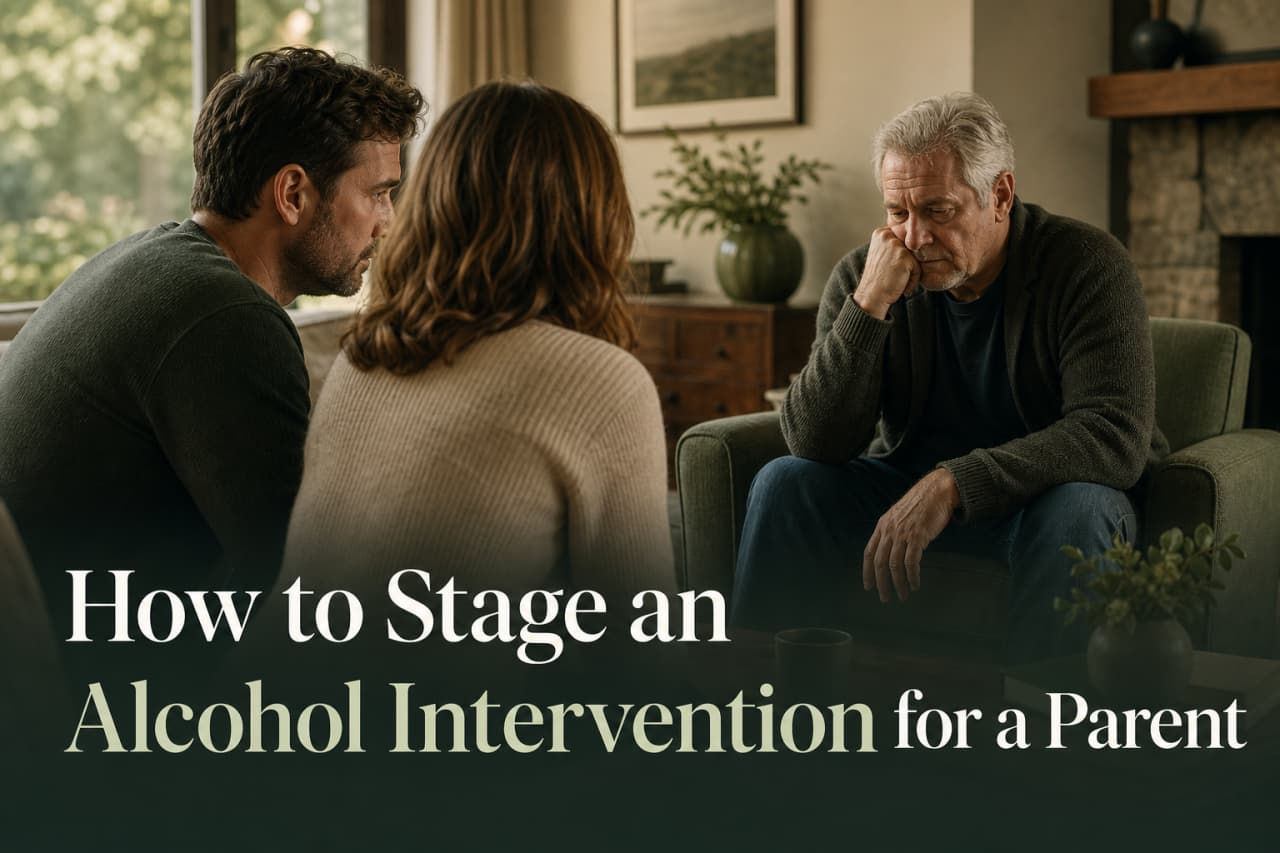
A plan for adult children preparing an alcohol intervention, including family roles, letters, treatment options, boundaries, and refusal.
A person may reconsider treatment after an intervention. Settle admission, travel, payment, clinical fit, and safety details before the meeting.

Use a practical risk matrix to judge when a family-led intervention may escalate danger, weaken boundaries, or delay treatment.




If this article resonated with your situation, a certified interventionist can help you understand your options — confidentially, with no pressure and no cost for the first call.