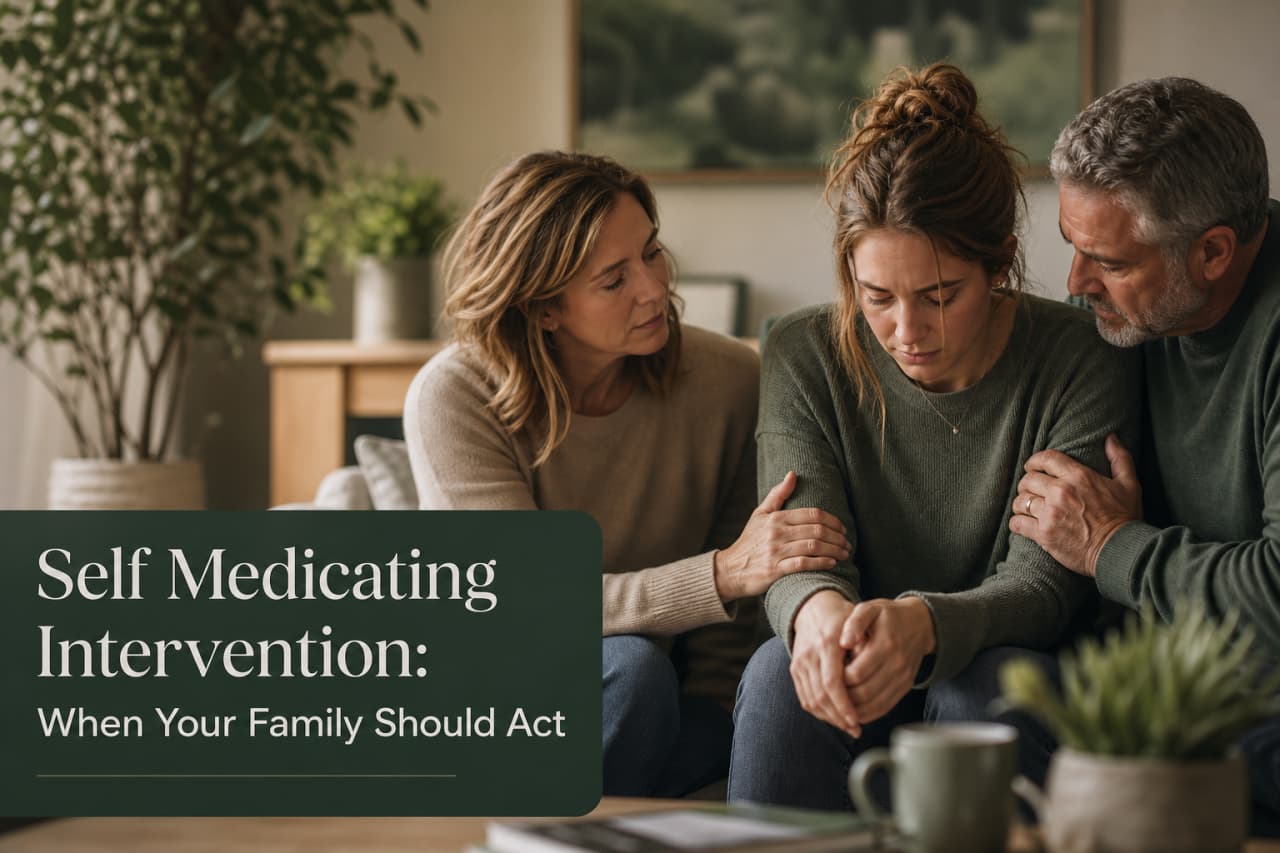
Two priorities hit at the same time. Manage present risk. Rebuild a path back to care after someone left treatment against medical advice. Check safety first, contact the program, and prepare a re-intervention instead of restarting the same family argument. Call 911 for immediate medical or physical danger. Call or text 988 for a suicide, mental health, or substance use crisis.
What Changes After Someone Left Treatment Against Medical Advice
A departure before recommended discharge creates two separate tasks. Manage present risk. Rebuild your loved one’s willingness to accept care. Addiction Interventions is available 24/7 to help families separate those decisions when the pressure to act and the need for a workable admission plan collide.
AMA means the person left before the clinical team recommended discharge. The reason matters. Your loved one may have objected to the program, felt physically unwell, wanted access to a phone, feared a psychiatric evaluation, or believed the family would provide a place to stay. Ask before assuming.
Contact the treatment program and ask what steps are available now. Find out if your loved one received discharge instructions, medication information, referrals, or a possible path back to care. Staff may face limits on what they can release, but you can still provide current safety information and ask procedural questions.
Write down what happened while the details are fresh. Note when the person left, what they said, where they planned to go, recent medications, known substance use, and any threats or unusual behavior. That record gives emergency responders, admission staff, and the interventionist a clearer starting point.
The second conversation needs a new plan, not a louder version of the first one.
Check Immediate Danger First
Use emergency services before attempting a family meeting if your loved one may be medically unstable or dangerous to themselves or someone else. Addiction Interventions provides nationwide crisis and intervention support, but an intervention call cannot replace 911 or emergency medical care.
Call 911 for unconsciousness, slow or stopped breathing, a seizure, severe confusion, a suspected overdose, violent behavior, or an immediate suicide threat. Follow the dispatcher’s instructions.
A return to substance use after time in treatment can carry overdose risk. SAMHSA’s overdose prevention guidance explains warning signs and the role of naloxone in an opioid overdose response.
Alcohol withdrawal can progress to seizures or delirium tremens and may require medical management. The NIAAA clinical resource on alcohol withdrawal describes these complications. Do not try to manage severe withdrawal at home.
Call or text 988 if your loved one is experiencing suicidal thoughts, severe emotional distress, or a substance use crisis without an immediate physical threat. SAMHSA’s 988 guidance explains how the service works. Mayo Clinic’s mental health guidance also directs people to emergency help for suicidal behavior.
Move quickly.
Use a Re-Intervention Instead of Repeating the First Attempt
A willing person may need direct readmission support rather than another formal intervention. A person who refuses care, changes the subject, or asks the family to erase every prior boundary may need a prepared re-intervention.
The re-intervention should address the exact point where the first plan broke down. That may involve a different facility, clearer information about the program, transportation arranged in advance, or integrated care for co-occurring substance use and mental health concerns. The interventionist should review the facts before recommending the next format.
Addiction Interventions customizes each plan and leads with compassion rather than confrontation. Lead Interventionist David Allen Gates has personally led more than 1,500 interventions and is trained in the ARISE method, the Johnson Model, and Family Systems Intervention. Clinical Director Jennifer Miela-McDaniel is a trauma specialist trained in five intervention models, including the invitational ARISE approach.
Those models give the team several ways to structure the response. A confrontational replay can strengthen resistance. A planned conversation can identify the objection and present a workable care option while stating what the family will do next.
Preparation changes the second conversation.
Confirm the Admission Path Before the Conversation
Secure a realistic care option before asking your loved one to return. Do this first. Addiction Interventions coordinates treatment placement and follow-through as part of its four-phase intervention process and answers families 24/7 at 949-776-7093.
Review the admissions process and confirm the practical details with the receiving program. Ask about the intake decision, arrival instructions, medication records, transportation, identification, and what personal items the person may bring. If the original program will consider readmission, request its exact procedure.
Keep financial promises precise. Professional intervention fees and facility treatment charges are separate questions, so discuss both before presenting the plan. Our intervention cost information explains the professional service conversation. Insurance terms vary by plan, and no family should promise coverage before verification. Our page on insurance and intervention services provides a starting point.
Plan the handoff as carefully as the meeting. Decide who will drive, what happens if your loved one leaves the vehicle, who speaks with admissions staff, and what the family will say if the person requests a delay. A vague offer such as “go back sometime” gives the crisis room to expand.
Prepare the Family for the Re-Intervention
Use a small, coached group that can remain calm and follow one plan. One shared script matters. Family preparation is the second phase of our four-phase process at Addiction Interventions. We coach participants on what to say and what to expect, including how to hold loving but firm boundaries.
Choose participants who can speak calmly and follow the interventionist’s direction. A relative who plans to argue, threaten, or negotiate privately may need a different role. Write short statements based on witnessed facts. Name the event, its effect, and the care being offered without diagnosing motives. Agree on boundaries before speaking with your loved one so every participant knows which forms of housing, money, transportation, and contact remain available. Rehearse likely objections. Prepare direct answers about the facility, timing, transportation, medications, cost, and family contact. Set the admission handoff before the meeting starts. Keep bags, records, phone numbers, and transportation ready if your loved one accepts care.
Avoid debating every complaint about the prior program. Some complaints may contain useful information, and the interventionist should examine them. The meeting still needs a decision point. Offer the prepared care option and answer what can be answered, then return to the immediate choice.
No interventionist can guarantee that a person will enter or remain in treatment. Professional preparation gives the family a controlled process and removes avoidable gaps that can derail admission.
Keep the message short.
Set Boundaries That the Family Can Keep
A boundary should state what you will do under defined conditions. Addiction Interventions uses a whole-family approach because housing, money, transportation, and communication can either support the care plan or keep the crisis repeating.
Examples may include declining to provide cash, refusing to conceal missed obligations, or placing conditions on returning home. The right boundary depends on household safety, legal obligations, age, medical needs, and the care option available. An interventionist should help you test each boundary before you announce it.
Do not use a consequence you cannot maintain. If one parent offers money in secret while another refuses, your loved one receives two plans and can work between them. Resolve family disagreement during preparation.
Boundaries should leave a clear route toward care. You might offer direct transportation to admission, a call with the program, or help collecting identification while declining requests that conflict with the agreed plan. Avoid surprise housing decisions that could create an immediate safety problem. Plan those choices with professional guidance.
Families who call Addiction Interventions speak directly with the co-founders rather than a centralized call center. That first conversation is free and 100 percent confidential, giving you a place to review the proposed boundaries before using them.
Hold the line.
What People Want to Know
Addiction Interventions works with families across all 50 states, and our certified interventionists can travel to the family’s location for in-home or facility-based work. The answers below provide general direction, but state law and facility policy can affect the next action.
Can the treatment center make my loved one return?
The answer depends on the person’s legal status, immediate risk, state law, and the program’s authority. Ask the facility what status applied at departure and what options remain. Use 911 or 988 if current behavior creates an emergency or crisis.
Can the same facility admit them again?
The facility must decide if readmission is available and clinically appropriate. Contact its admissions team promptly, explain the departure, and ask what evaluation or records it requires. Keep another care option ready if the program declines.
How soon should we attempt a re-intervention?
Act after checking safety and confirming an admission option that can receive your loved one. Waiting without a plan can allow the person to return to the same conditions that preceded treatment. An improvised confrontation can close communication, so use the preparation window carefully.
Should I let my loved one come home?
Base that decision on household safety, agreed boundaries, and the active care plan. Do not make an open-ended housing promise during a crisis. If violence, overdose risk, severe withdrawal, or suicidal behavior is present, contact emergency or crisis services before discussing housing.
Will insurance pay for readmission?
Coverage depends on the insurance plan, medical necessity review, network rules, and the facility’s billing arrangements. Verify benefits directly with the insurer and treatment program. Do not present coverage as guaranteed during the re-intervention.
When should we bring in a professional interventionist?
Professional help is appropriate when your loved one refuses a ready admission option, the family cannot agree on boundaries, or the first treatment plan ended without a workable return path. A trained interventionist can prepare the family and lead the conversation while coordinating the handoff.
Speak Directly With Our Team
Addiction Interventions is Joint Commission Accredited and available 24/7. Call 949-776-7093 for a free, 100 percent confidential consultation with our co-founders. We can review the AMA departure and assess whether re-intervention fits, including admission coordination anywhere in the United States.
Our headquarters is at 3822 Campus Dr #300-B, Newport Beach, CA 92660. You can also use our contact form to reach the team.