The Essential Guide to Becoming a Behavioral Health Interventionist
Families in crisis often feel trapped between fear and hope.
David Gates
Lead Interventionist
April 6, 2026
13 min read
Share
Families in crisis often feel trapped between fear and hope.
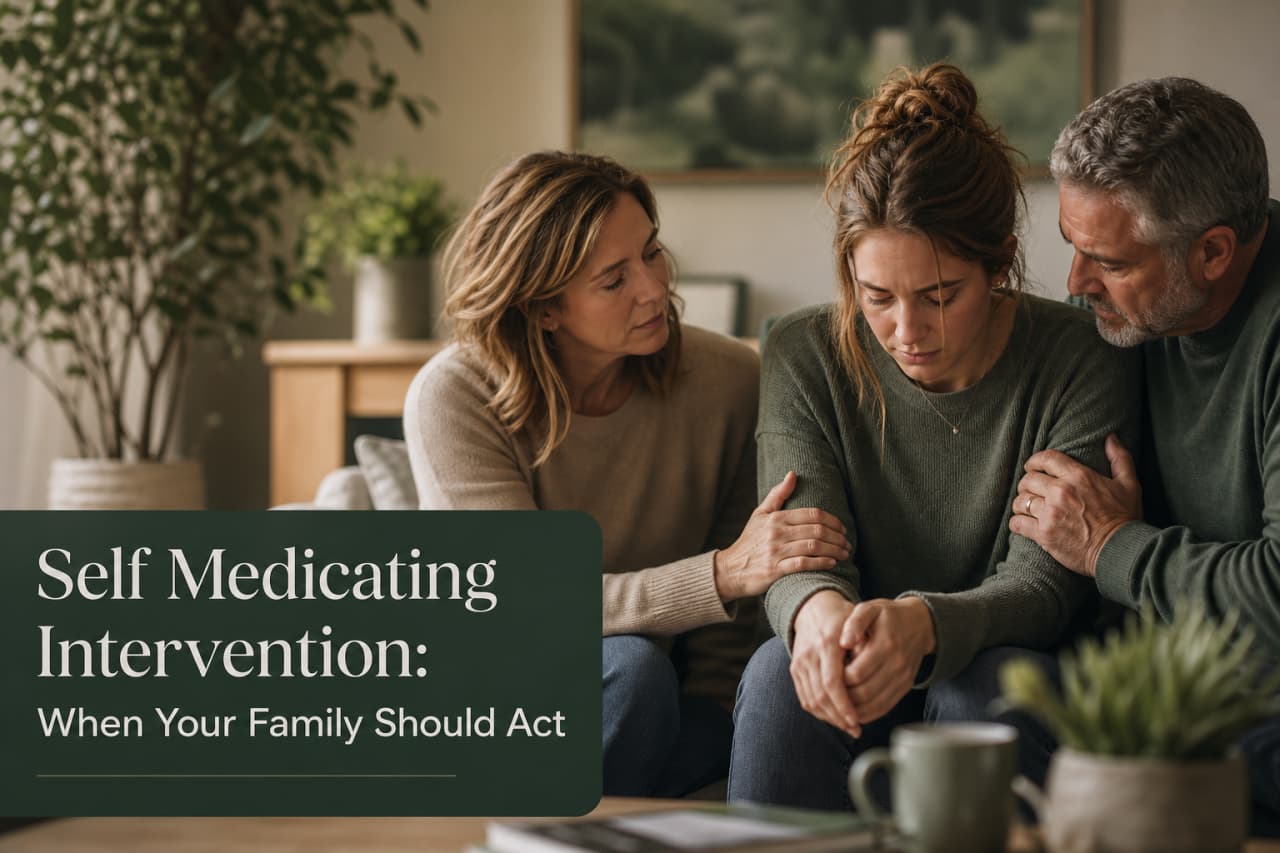
Families in crisis often feel trapped between fear and hope. A behavioral health interventionist is a specialized professional who helps individuals manage challenging behaviors, emotions, and relationships through personalized behavioral intervention plans (BIPs), bridging the gap—helping loved ones struggling with mental health disorders, addiction, or co-occurring conditions move from chaos toward treatment.
This role differs significantly from general therapists who provide ongoing office-based psychotherapy, school behavior specialists focused on classroom disruptions, or addiction counselors delivering post-treatment support. A behavioral health interventionist, sometimes referred to as a behavioral interventionist, operates across homes, communities, and treatment transitions, addressing acute situations and mobilizing families toward action. These professionals serve diverse populations, including children with disabilities, emotional needs, or learning disabilities, as well as individuals with autism and other developmental disabilities.
As a board certified interventionist with over 20 years in this field, I’ve witnessed how this role serves as a lifeline. Behavioral health interventionists implement customized Behavioral Intervention Plans (BIPs) that utilize techniques like positive reinforcement, and support individuals with autism and other developmental disabilities by implementing strategies such as applied behavioral analysis (ABA). We blend clinical skills with family education, crisis stabilization, and practical support—from safety planning to coordinating treatment placement.
If you feel overwhelmed, scared, or out of options, know that professional interventionists at addictioninterventions.com can provide structured pathways from initial panic to sustained recovery. Encouragement is a key part of our approach, motivating individuals and families to participate actively in interventions and adopt positive behavioral changes.
Key functions include:
Conducting thorough risk assessments for suicide or violence potential
Orchestrating family meetings to align on boundaries and goals
De-escalating volatile confrontations using evidence-based techniques
Coordinating immediate treatment placements per ASAM criteria
Providing post-intervention coaching to prevent relapse
When tailoring intervention strategies, it is essential to focus on specific skills or areas of need to ensure effective support and outcomes.
Behavioral health interventionists often collaborate with a multidisciplinary team to ensure a holistic approach to care, addressing the complex needs of each individual and their family.
Behavioral Health Interventionist vs. Behavior Interventionist vs. Specialist
Understanding these distinctions helps families identify the right support for their situation.
A behavioral health interventionist addresses mental illness, addiction, self-harm, and severe emotional dysregulation in adults and adolescents—often working within family systems outside clinical therapy settings through structured family interventions for mental health and addiction. The role of a behavioral interventionist, on the other hand, is focused on supporting positive behavioral changes and managing challenging behaviors, particularly in children with disabilities such as autism or ADHD. There are various occupations within this field, including registered behavior technician (RBT), board certified behavior analyst (BCBA), and other related job titles, each with specific qualifications and certification pathways.
A behavior interventionist implements pre-designed behavior intervention plans in real-time, typically for children with autism or ADHD in educational environments, applying applied behavior analysis principles under supervision.
A behavior intervention specialist designs those plans using functional behavior assessments, working alongside teachers and a registered behavior technician or licensed behavior analyst to address negative behaviors in school settings.
Concrete examples:
A behavioral health interventionist facilitates a home meeting for a 35-year-old with fentanyl addiction and untreated bipolar disorder, coordinating residential treatment entry
A behavior interventionist works with a 3rd-grader displaying aggression during math class, applying reinforcement schedules per IEP mandates. Jobs for behavioral interventionists can be found working in schools, outpatient care centers, private clinics, and home-based settings.
A behavior specialist crafts the underlying plan for autism-related elopement, tracking data on episode frequency
The largest single category of behavior interventionists can be found working in the Outpatient Care Centers sector. In 2023, about 20.4% of all jobs for behavior interventionists were found in this sector, highlighting the significant demand for these occupations in outpatient settings.
Families may encounter all three professionals across a child’s lifespan. Collaboration among mental health professionals, behavior specialists, and school teams produces optimal outcomes, especially for interventions for teens struggling with substance use.
Core Responsibilities of a Behavioral Health Interventionist
Daily work centers on assessing risk, de-escalating crises, coordinating care, educating families, and supporting treatment entry.
Crisis intervention tasks: suicide risk assessment using tools like C-SSRS, overdose response planning, crisis intervention and safety planning for self-harm or domestic volatility
Care coordination: linking clients to detox, residential treatment, outpatient therapy, psychiatry, and community resources including housing, legal assistance, and employment support, often through structured drug abuse intervention services
Direct intervention services: providing direct intervention by teaching coping skills and emotional regulation to improve overall well-being
Advocacy: speaking with hospitals, insurance companies, and treatment centers—navigating prior authorizations and fighting denials
Family education: coaching on boundaries, communication strategies, relapse warning signs, and avoiding enabling behaviors using CRAFT modules
Ongoing support: daily check-ins during early treatment, monitoring adherence to medication-assisted treatment
Behavioral health interventionists identify triggers for negative behavior and develop tailored support plans, often in collaboration with licensed therapists. Communication is the most desired skill found in job postings for behavior interventionists, as effective service delivery relies on clear and empathetic communication with clients and team members.
Settings Where Behavioral Health Interventionists Work
Private intervention practices: remote assessments via secure video before deploying for in-person work, often connecting families with a qualified interventionist in California or their local region
Hospital behavioral health teams: embedded in emergency departments for crisis transitions to voluntary treatment
Community mental health centers: street outreach to unsheltered individuals with severe mental illness and polysubstance use
Addiction treatment centers: pre-screening, admission-day interventions, and escorting resistant clients to facilities
Home and community settings: in-home safety audits, family meetings in neutral venues, on-site de-escalation for volatile situations
Educational environments: providing services to support students with challenging behaviors, collaborating with educators to help students succeed academically and socially
At addictioninterventions.com, interventionists typically begin work remotely and then travel to the family’s home for structured interventions when appropriate.
Key Skills and Competencies
Competent practitioners demonstrate both clinical expertise and interpersonal mastery.
Clinical skills: assessment using DSM-5 criteria, understanding ASAM levels of care, familiarity with trauma, mood disorders, psychosis, and substance use disorders
Soft skills: calm presence under pressure, non-judgmental listening, clear communication with highly distressed families (communication is the most desired skill found in job postings for behavior interventionists), cultural sensitivity
Documentation: accurate note-taking, safety plans, treatment summaries, writing intervention letters as part of the intervention process, effective coordination with multidisciplinary teams
These skills develop through extensive training in social work, psychology, or counseling, combined with supervised clinical experience.
Invitational vs. Surprise Intervention Models
Families often imagine TV-style surprise confrontations, but contemporary practice frequently favors invitational models rooted in motivational interviewing principles.
The invitational model:
The loved one receives advance notice of a structured family discussion
Preserves dignity and reduces shame spirals that entrench resistance
Yields 75-85% acceptance rates per recent meta-analyses
Builds long-term trust essential for post-treatment adherence
The surprise (Johnson-style) model:
Family prepares privately; loved one is approached at a planned time
Group presents concerns and a pre-vetted treatment offer
Reserved for flight risks, violent partners blocking access, or entrenched denial after repeated invitational refusals
A seasoned behavioral health interventionist assesses which approach—or a hybrid—is safer and more effective for each specific family situation.
Safety, Risk Management, and the Need for Professional Supervision
Families rightfully fear escalation during intervention conversations. SAMHSA data indicates 25% of substance-related crises involve suicidal acts and 15% domestic assaults.
Common safety risks:
Threats of self-harm or suicide
Intentional overdose (fentanyl-laced supplies cause 70% of recent youth overdose deaths)
Predetermined emergency contacts, local EDs, crisis hotlines, and law enforcement coordination
Tiered safety plans with designated supports
Dual staffing for high-risk cases
DIY family efforts catastrophically fail in 40% of high-risk scenarios involving violence histories, severe psychosis, or weapons. When you sense “this could get dangerous,” involve trained professionals through addictioninterventions.com.
Common Family Pain Points and How Interventionists Help
Years of struggle leave families emotionally devastated. Common pain points include:
Countless failed “heart-to-heart” talks that devolved into arguments
Covering rent, lying to employers, minimizing symptoms
Post-DUI rescues that delay consequences
Families fear that “cutting off means death.” Behavioral health interventionists reframe boundaries as acts of love, not punishment, and encourage families to set healthy boundaries and participate actively in the intervention process. In one 2023 case, a mother shifted from funding her son’s meth-fueled hotel stays to treatment-contingent support—catalyzing 18-month sobriety after five failed rehabs.
Step-by-Step: What Working With a Behavioral Health Interventionist Looks Like
The process unfolds through clear stages:
Initial inquiry: Family shares history, current crisis, and previous attempts
Structured assessment: Evaluating mental health, substance use, medical issues, violence history, legal status
Family preparation: Education meetings via phone/Zoom, then in-person, defining unified goals
Model selection: Choosing invitational vs. surprise approach; creating detailed logistics
The intervention meeting: Guided session with prepared letters, clear treatment options, predetermined boundaries
Immediate transport: Same-day escort to treatment if accepted; boundary implementation if declined
Ongoing coaching: Family check-ins during early treatment and after discharge
Bachelor’s degrees in psychology, social work, education, or behavioral sciences
Master’s degree (such as MSW, MA Counseling, MFT, or a master’s in applied behavior analysis, psychology, or behavioral health) is required for BCBA certification and licensure as a behavior analyst
Certification as a Registered Behavior Technician (RBT) can be earned after completing a 40-hour training course and passing the RBT certification exam
To become a Board-Certified Behavior Analyst (BCBA), you must complete a master’s degree in applied behavior analysis and pass the board certification exam; many professionals continue their education to obtain a PhD in applied behavior analysis
Common credentials: CADC, LPC, LCSW, LMFT, BCBA for those integrating behavior analysis
Required supervision hours, continuing education, and adherence to professional codes
Individuals seeking to work as a behavioral interventionist or mental health professional may need to meet additional requirements or obtain a license depending on the state or country
If you have an educational background in applied behavior analysis, psychology, counseling, mental health, or education, you are encouraged to apply for jobs as a behavioral interventionist.
When vetting interventionists, ask about formal training, licensure, certification, and real-world experience with your specific challenge—whether fentanyl addiction, bipolar disorder, or adolescent self-harm—and be clear that you need a behavioral interventionist rather than a medical interventionalist.
Career Path and Job Outlook
The career path for a behavior interventionist is both dynamic and rewarding, offering a unique opportunity to make a meaningful difference in the field of behavioral health. As the need for effective behavior intervention plans continues to grow, professionals who can address behavioral challenges—such as those related to autism, learning disabilities, and substance abuse problems—are in high demand. Behavior interventionists play a crucial role in helping children and adults overcome negative behaviors and thrive in various settings.
To embark on this career, aspiring interventionists typically obtain a master’s degree in applied behavior analysis, psychology, education, or a related field. Many also pursue specialized certification, such as becoming a registered behavior technician (RBT) or a licensed behavior analyst (LBA), which often requires completing supervised training hours. These qualifications ensure that behavior interventionists are well-prepared to work alongside mental health professionals, teachers, and families, providing individualized assistance and support.
Success in this field relies on a strong set of skills, including effective communication, empathy, and the ability to identify and address complex behavioral challenges. Behavior interventionists must be adept at encouraging positive behaviors, developing practical strategies, and providing crisis intervention when necessary. Supervision and ongoing training are essential, as interventionists frequently work with individuals experiencing acute mental health needs or behavioral crises.
Employment opportunities for behavior interventionists are found in a wide range of settings, from schools and hospitals to private practices and community organizations. Many interventionists work as part of a multidisciplinary team, collaborating with professionals in psychology, social work, and education to create comprehensive support systems for children and families. The salary for behavior interventionists varies based on location, experience, and certification, but remains competitive within the behavioral health sector.
Looking ahead, the job outlook for behavior interventionists is expected to rise significantly. As awareness of behavioral health issues increases and more families seek access to specialized services, the demand for qualified interventionists will continue to grow. With the right degree, certification, and a genuine desire to assist others, behavior interventionists can look forward to a fulfilling career that not only offers stability and growth but also the chance to create lasting positive change in the lives of those they serve.
When to Consider Contacting a Behavioral Health Interventionist
Families often wait too long, hoping things resolve. Early involvement prevents tragedies.
Warning signs:
Repeated overdoses or ER visits
Suicidal talk or attempts
Increasing aggression toward family
Major functional decline (job loss, school failure)
Multiple failed rehab attempts or frequent AMA discharges
Family-specific red flags:
Siblings scared to live at home
Parents hiding valuables
Partners sleeping with doors locked
If you recognize these patterns, reach out for a confidential consultation.
How Behavioral Health Interventionists Support Long-Term Recovery
The intervention meeting is only the beginning. Real change unfolds over months with structured support.
Coordination with treatment teams to keep care aligned with family goals
Relapse-prevention planning and family therapy referrals
Support group recommendations (Al-Anon, SMART Recovery Family & Friends)
Booster sessions during high-risk periods—holidays, legal hearings, major transitions
Families also need recovery. A skilled interventionist helps them build their own support strategies, fostering progress over perfection.
Taking the Next Step
Asking for help feels hard. Shame and isolation are common—but so is finding your way forward.
Gather key information: history of use, prior treatment, safety concerns
Contact a qualified behavioral health interventionist for a no-obligation consultation
Addictioninterventions.com offers nationwide services, including virtual preparation and on-site interventions
Taking informed action—rather than waiting for a “bottom”—can save lives and restore family stability
You don’t have to navigate this alone. Professional guidance exists for exactly these moments.
About the Author
David Gates
Lead Interventionist
David Allen Gates is a Certified Intervention Professional (CIP) and founder of Addiction Interventions. He has personally led more than 1,500 family interventions nationwide.
If this article resonated with your situation, a certified interventionist can help you understand your options — confidentially, with no pressure and no cost for the first call.