Crying lowers the body's arousal after the tears stop, not always during them — which is why you can feel wrung out in the moment and steadier an hour later. Addiction Interventions, a Joint Commission Accredited family and crisis intervention company based in Newport Beach, fields calls from families who notice a loved one crying for no apparent reason, or who've stopped crying entirely. Both patterns can carry weight. This article walks through the effects of crying on the body and mind, when tears help, and when frequent crying episodes point to something that needs a professional.
What Is Crying and Why Do We Cry?
Crying is the production of tears in response to a state, and it comes in three forms. Basal tears, which keep your eyes moist and protect the cornea, run constantly. Reflex tears respond to irritants like onion vapor or wind. Emotional tears are the ones tied to feelings of sadness, joy, or relief. Reflex tears and continuous tears are mostly water with salt and protective proteins, while emotional tears carry a different chemical profile.
Why we cry has occupied thinkers since the Classical era, when physicians already described the medical benefits of releasing tears. Modern researchers like Vingerhoets AJJM and Bylsma LM have mapped human crying as both a physiological event and a social signal. Gra anin and colleagues (Gra anin et al) studied its mood effects directly. In other words, crying is one of the oldest documented human emotional behaviors, and it carries a function.
Why Do People Cry?
People cry under strong emotions: grief, frustration, fear, awe, even relief after danger passes. Hormones shape the response. Prolactin may contribute to crying, which partly explains why crying frequency rises in certain life stages, while testosterone may block crying, which is one reason men report fewer tearful crying episodes. Tearful crying isn't present at birth; in babies it typically appears between 4 and 8 weeks old, once the tear production system matures.
The Effects of Crying on Your Nervous System
When you cry hard, your heart rate and blood pressure climb first. That's the sympathetic nervous response — the same activation behind stress. Then something shifts. As the crying episode winds down, the body recruits the parasympathetic nervous branch, the rest-and-digest side. This activates the parasympathetic system, which slows heart rate, eases breathing, and produces the self-soothing effects people describe as feeling "emptied out."
This is the direct self-soothing function researchers point to. Crying helps your body downshift from a high-alert state. The lag explains a common complaint: you feel worse mid-cry, then calmer later. Studies indexed at ncbi nlm nih gov, including work documented at https www ncbi nlm and the broader www ncbi nlm nih archive, track this nervous system arc across crying people in controlled settings.
Does Crying Release Stress Hormones Like Cortisol?
Yes — emotional tears are thought to flush stress hormones and metabolic byproducts from the system, which is part of why a good cry can feel like physical release. Emotional crying differs chemically from reflex tears in this respect. The body uses crying to ease both physical and emotional strain at once, draining tension that's been building under the surface.
The Benefits of Crying for Body and Mind
The benefits of crying group into three buckets: chemical, social, and protective. On the chemical side, crying releases oxytocin and endorphins — the same compounds linked to bonding and natural pain relief. Crying releases oxytocin specifically, which softens the edge of distress and nudges you toward connection. These oxytocin and endorphins together create the warm, drained calm that follows real emotional release.
Social Support and Attachment Behavior
Crying is also a signal. Visible tears and the facial expressions that accompany them trigger attachment behavior in others — they pull people toward you. A face contorted by genuine grief reads instantly across cultures; the facial muscle pattern of crying is one of the most legible human emotional cues. This is how crying recruits social support: friends and family move closer, offer empathy, and stay. For families in crisis, that pull is real, and it's part of why bottling everything up isolates people further.
Health Benefits Beyond Mood
Tears protect the eyes. Without enough tear production you get dry eye, irritation, and blurred vision, so the act of tearing up serves a plain physical health purpose alongside the emotional one. The mood payoff matters most for mental health, though. One study found that about 90 minutes after crying, participants felt better than they had before — evidence that the sense of well-being lands after a delay, not instantly.
You may feel worse mid-cry and clearly better 90 minutes later — the relief follows the tears, it doesn't arrive with them.
When Crying Doesn't Help — and What It Might Mean
Crying doesn't always lift mood, and pretending otherwise misleads people. One key study found that crying made participants feel worse immediately afterward, with no rebound for some. Whether crying helps depends on context: support nearby, the reason for the tears, and whether the cry resolves a feeling or just loops it. Crying when you're already exhausted and alone rarely soothes.
There's a physical cost too. Crying may also increase the risk of a tension headache when emotions run high, because the facial and scalp muscles clench. Research published in 2022 suggested crying can lower the pain threshold, making physical and emotional pain feel sharper in the moment rather than dulled. So the picture is mixed — crying may help, and crying may also briefly hurt.
Why Do Some People Feel Worse After Crying?
If you lack social support during a cry, or you're using tears to spiral rather than release, the self-soothing effects don't kick in. Crying as avoidance — sobbing to escape a hard conversation or decision — keeps you stuck. Healthy crying processes a feeling and lets it move; avoidant crying replays the difficult feelings without resolving them. The difference is whether you feel lighter afterward or just depleted.
Is Frequent Crying a Sign of Depression?
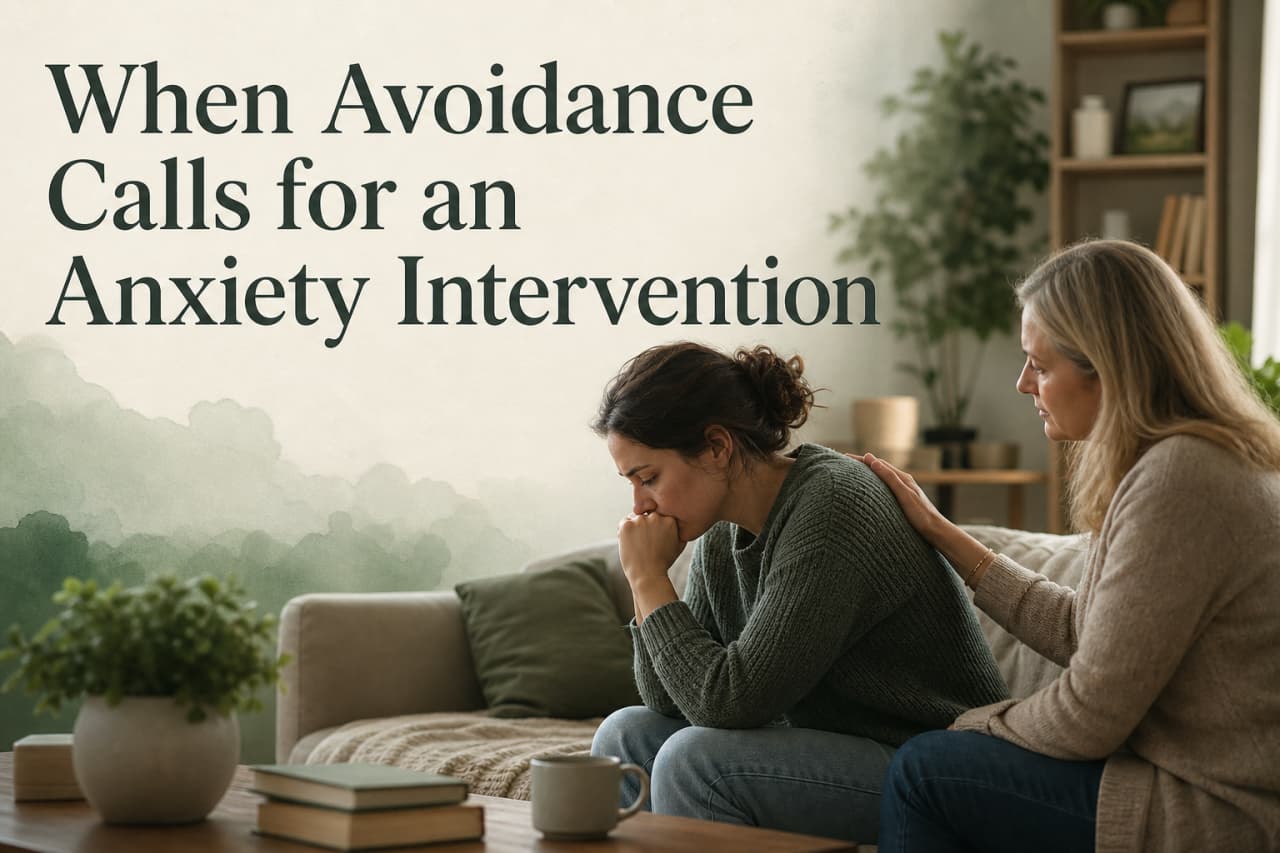
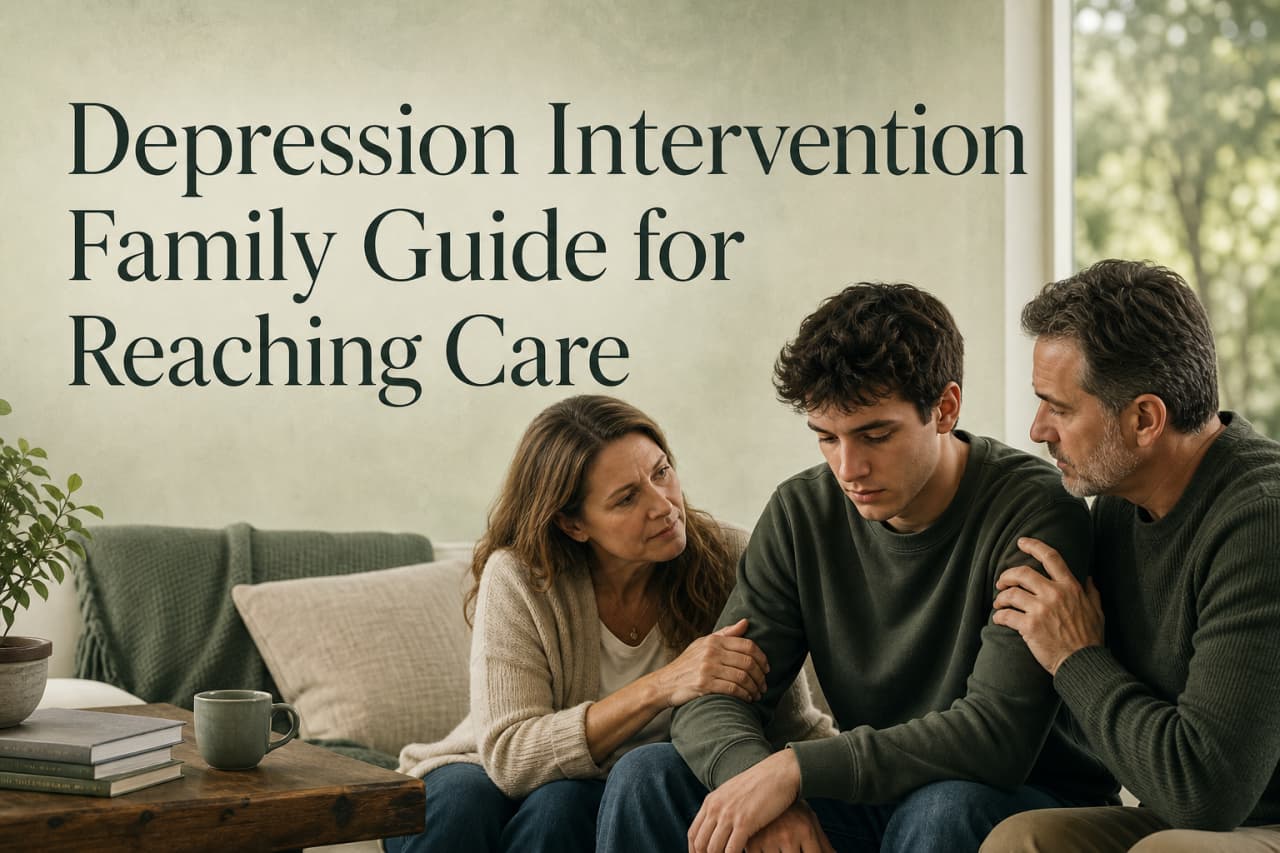
Crying often, or crying with no apparent reason, can be a sign of depression, anxiety, unresolved grief, or a neurological issue. Emotional dysregulation is a mental health condition that disrupts emotional control and can drive crying that feels uncontrollable. If tears are interrupting daily activities — work, sleep, daily life — that's worth raising with a health professional. The crying isn't the problem; it's pointing at one.
The Risk of Holding It In
Suppressing emotions has a documented cost. Repressive coping — habitually pushing down strong emotions — has been linked to a less resilient immune system, cardiovascular disease, and hypertension, putting strain on heart health over years. Suppressing tears also correlates with rising anxiety and depression symptoms over time. Emotional numbness, where you can't access feelings at all, is its own warning sign and often pairs with depression or trauma.
Crying is not a sign of weakness. Treating it that way teaches people, especially men, to mask distress until it leaks out as anger, addiction, or physical illness. The healthier path is letting yourself cry when the feeling is real, then deciding what to do with it.
How Addiction Interventions Helps Families Around Strong Emotions
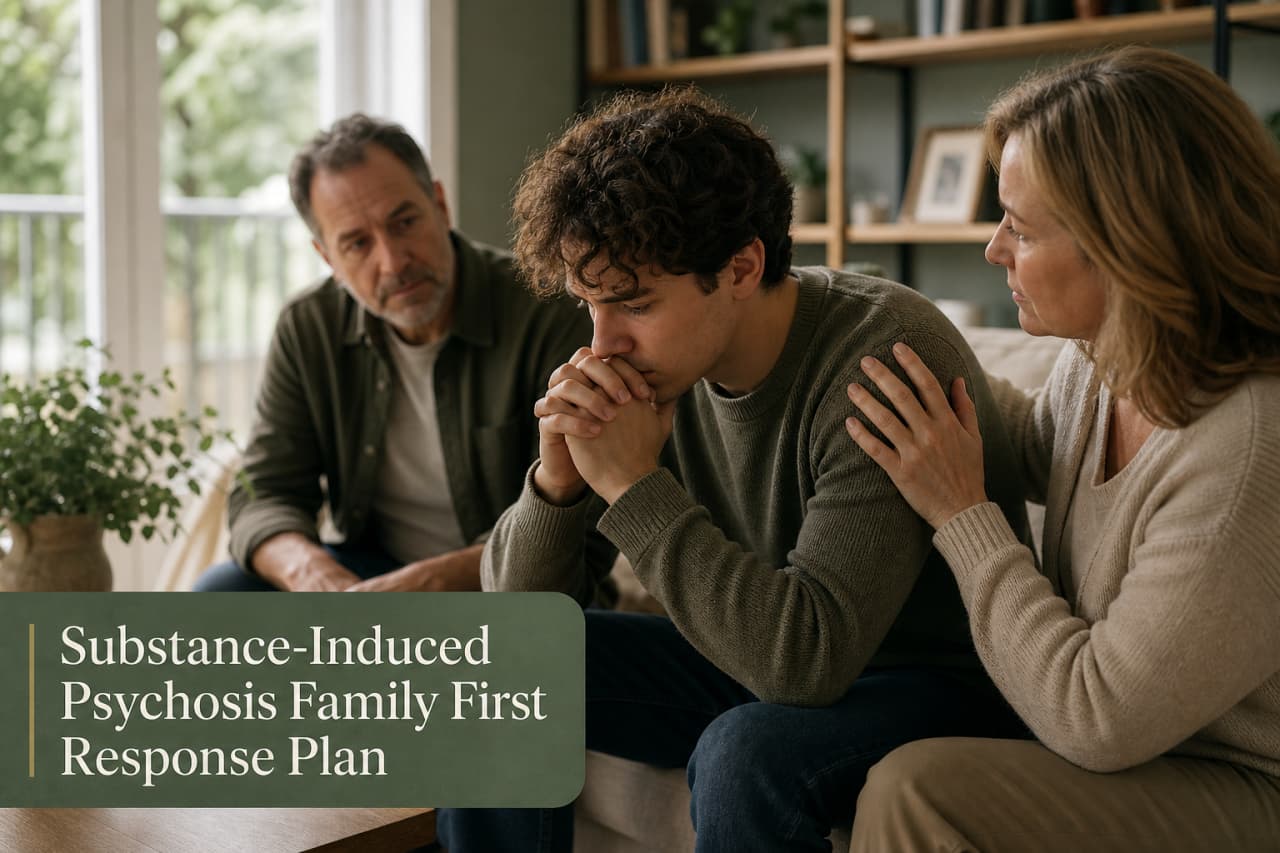
Tears that won't stop, or a person who's gone emotionally flat, often surface when addiction or a mental health condition has taken hold. Addiction Interventions builds every plan around the whole family, not just the person in crisis. Co-founders David Allen Gates, a Certified Intervention Professional in long-term recovery who has led over 1,500 interventions, and Jennifer Miela-McDaniel, a Clinical Director and trauma specialist trained in five intervention models since 1993, answer calls directly — no centralized call center.
The team works through four phases. It starts with a free, confidential call where they listen without judgment. Family preparation follows, coaching you on what to say and how to hold loving but firm boundaries. A certified specialist then leads a calm, structured conversation. After that, the team coordinates treatment placement and stays involved through care and beyond.
Services cover alcohol and drug interventions, mental health interventions for depression, anxiety, and PTSD, dual diagnosis support for co-occurring disorders, and rapid crisis interventions for time-sensitive situations. Free tools — an intervention quiz, a codependency assessment, and planning guides — help you gauge where things stand before you decide anything.
Frequently Asked Questions
Is it better to cry or hold it in?
Crying is generally healthier than chronic suppression. Letting yourself cry releases tension and recruits support, while repressive coping is linked to higher anxiety, depression, and cardiovascular strain. The exception is using tears to avoid action — then the tears loop instead of resolving.
How does crying compare to meditation or exercise for cortisol?
All three engage the parasympathetic nervous system and can lower stress hormones, but they work differently. Exercise and meditation reliably reduce cortisol over a session, while crying's calming effect arrives after the cry, sometimes 90 minutes later. Crying isn't a replacement for either — it's a release valve when feelings peak.
Can crying help process trauma or grief better than talking?
Crying and talking do different jobs. Tears move the body through a feeling; talking with a medical professional or therapist gives that feeling structure and meaning. For trauma and deep grief, crying alone rarely resolves it — pairing emotional release with guided processing works far better than either by itself.
How long do the mental health benefits of crying last?
The mood lift is short-term, often peaking around an hour or two after a cry and fading within the day. Crying soothes the moment; it doesn't fix underlying health conditions. If you need to cry daily to function, that signals a pattern a healthcare provider should evaluate.
How can I stop crying when I need to?
Slow your breathing to engage the calming side of the nervous system, focus on a neutral object, or splash cool water on your face to interrupt the response. These work for the short term. If crying happens constantly or for no apparent reason, the goal isn't to stop it but to find out what's driving it.
Crying, in short, is a built-in tool for emotional release and connection — useful when it resolves a feeling, a warning sign when it won't stop or won't come at all. If a loved one's tears or emotional numbness has you worried about addiction or a mental health crisis, call Addiction Interventions at 949-776-7093 for a free, 100 percent confidential consultation. You'll speak directly with a co-founder, any hour, any day.
Related intervention resources
If your family is considering professional help, start with intervention services, how to plan an intervention, and admissions. For transparent ranges, read intervention cost and does insurance cover intervention services. Substance-specific paths include alcohol interventions, drug interventions, and family interventions.