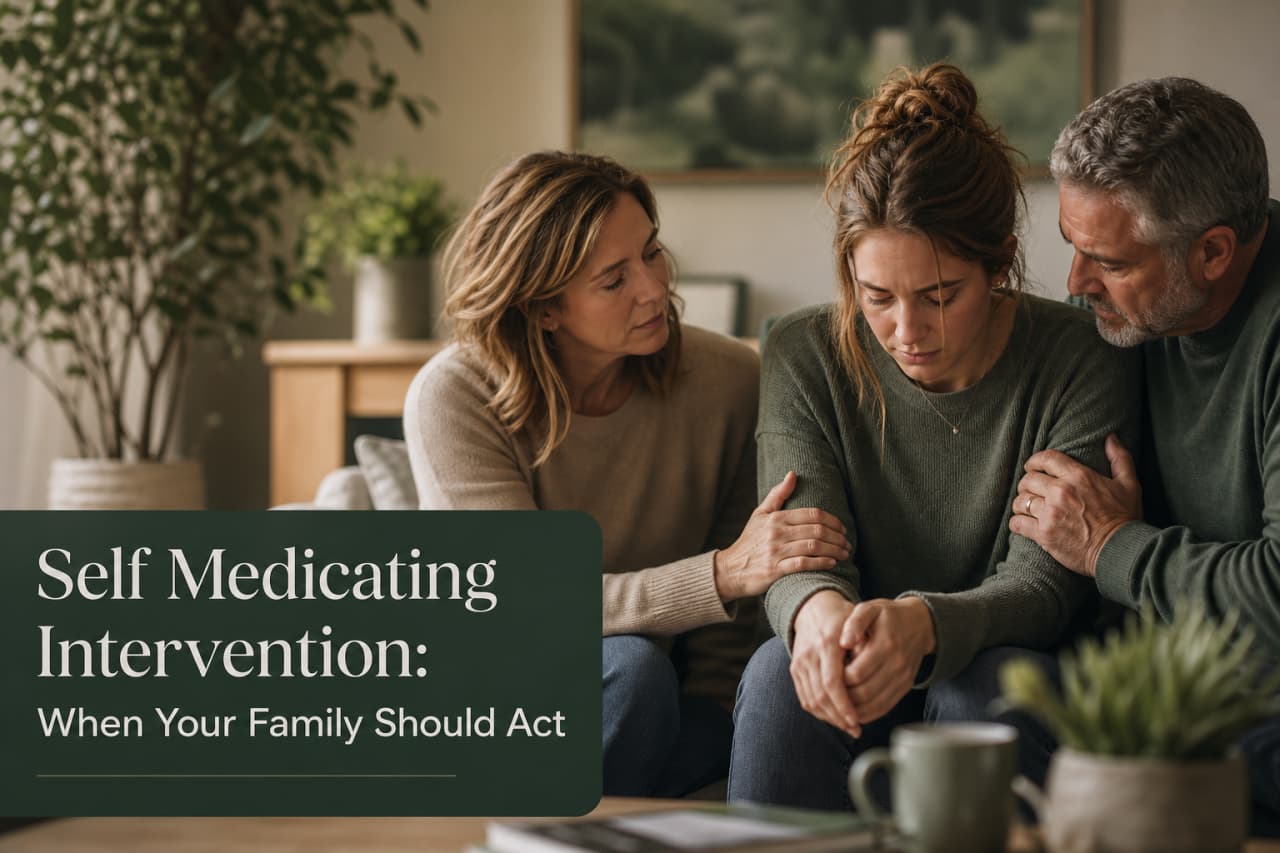
Unlock the secrets to successful interventions with essential tips. Improve your approach, engage effectively, and achieve impactful results in your models.
jake
Lead Interventionist
February 22, 2026
9 min read
Share
Unlock the secrets to successful interventions with essential tips. Improve your approach, engage effectively, and achieve impactful results in your models.
Essential Intervention Model Tips for Success
Watching a loved one struggle with substance use disorder (SUD) is one of the most agonizing experiences a family can endure. You feel a mix of fear, frustration, resentment, and a desperate desire to help—yet every attempt at conversation seems to end in an argument or deeper withdrawal. When self-help and casual conversations fail, a formal intervention is often the most effective next step.
At Addiction Interventions, we understand that the decision to stage an intervention is never easy. It requires courage, meticulous planning, and a deep understanding of the psychological nuances of addiction. To help you navigate this complex journey, we have compiled this comprehensive guide on intervention model tips, ensuring you have the tools to move your loved one toward a life of lasting recovery.
Understanding the "Why" Behind Intervention Models
An intervention is not merely a “tough talk.” It is a structured, professionally guided process designed to break through the wall of denial that addiction creates. The goal is twofold: to get the individual to agree to immediate treatment and to help the family establish healthy boundaries that stop the cycle of enabling.
Choosing the right intervention model is crucial because every family dynamic and every individual’s struggle is unique. What works for a defiant teenager might not work for a high-functioning professional or a long-term chronic user.
1. Choosing the Right Model for Your Situation
Before you gather the family, you must determine which “style” of intervention aligns best with your loved one’s personality and the family’s needs.
The Johnson Model (The Classic "Surprise" Intervention)
This is the most well-known model, often depicted in media. It involves the family gathering without the individual’s prior knowledge to confront them with the reality of their addiction.
Tip: This model is highly effective for individuals in deep denial. However, it requires a “firm but fair” approach. The focus must remain on love and facts, never on shame or ambush.
Tip: This is ideal for families who value transparency and want to avoid the “ambush” feeling. It works in stages, starting with a simple meeting and escalating only if the individual refuses help.
The Family Systems Model
This model treats the entire family as a unit. It acknowledges that addiction is a “family disease” and that everyone—not just the addict—needs to change their behavior.
Tip: Use this model if there is a lot of codependency or enabling within the family. It focuses on healing the collective dynamic, which provides a more stable foundation for the addict’s return from treatment.
CRAFT (Community Reinforcement and Family Training)
CRAFT is a non-confrontational, science-based method that teaches families how to use “positive reinforcement” to encourage sobriety and “natural consequences” to discourage use.
Tip: CRAFT is a “long-game” strategy. It is excellent for families who aren’t ready for a formal confrontation but want to start steering their loved one toward treatment through behavioral changes.
2. The Preparation Phase: Laying the Groundwork
Success in an intervention is 90% preparation. You cannot “wing” an intervention; the stakes are far too high.
Assemble the "A-Team"
Your intervention team should consist of 3 to 8 people who are influential in the individual’s life.
Who to include: Spouses, parents, adult children, or a best friend.
Who to exclude: Anyone the individual currently uses drugs with, people who are prone to “losing their cool,” or anyone the individual actively dislikes.
The Professional Factor: We strongly recommend including a professional interventionist from Addiction Interventions. A neutral third party can de-escalate tension and keep the conversation focused on the goal.
Scripting the Message: The Power of the Letter
Each member should write a letter to be read during the intervention. This prevents people from getting “lost” in their emotions or being manipulated by the addict’s rebuttals.
The Structure:Expression of Love: Start with a “memory of health”—remind them of who they are outside of the addiction.The Facts: List specific instances where their substance use caused harm or fear (e.g., “Last Tuesday, you missed your daughter’s recital because you were passed out”).The Impact: Explain how it made you feel, using “I” statements.The Request: Ask them to go to the specific treatment center you have already chosen.
Logistics and Timing
The Venue: Choose a “neutral” or “safe” location where the individual feels comfortable but can’t easily retreat to a bedroom or a bar.
The Time: The individual must be as sober as possible. For many, this is early in the morning.
The Travel Plan: Have a suitcase packed for them. Have a car outside. Have the insurance verified and the bed at the treatment center confirmed. The “warm hand-off” should happen within minutes of the individual saying “yes.”
3. During the Intervention: Execution Tips
When the moment arrives, the atmosphere will be charged with emotion. Staying disciplined is vital.
Keep Emotions in Check
It is natural to feel angry, but an intervention is not the time for an airing of grievances. If the individual feels attacked, they will shut down or become aggressive.
Tip: If the individual starts shouting, do not shout back. Maintain a calm, steady tone. Your calm is your power.
Avoid the "Addiction Brain" Trap
The person you are talking to is not “them”—it is the addiction speaking through them. They may lie, minimize, or try to bargain (“I’ll go to rehab next month after the holidays”).
Tip: Do not negotiate. The treatment plan is non-negotiable. Remind them that the “holidays” or “the job” will still be there, but their life might not be if they don’t get help now.
Presenting the Consequences (The Bottom Lines)
This is the hardest part of any intervention. Each family member must state what will change if the individual refuses treatment.
Examples: “If you do not go to treatment today, I can no longer allow you to live in this house,” or “I will no longer pay your cell phone bill or car insurance.”
Tip: Only set consequences you are 100% prepared to follow through with. Empty threats only reinforce the addiction.
4. The Role of the Professional Interventionist
Why hire a professional from Addiction Interventions? Many families believe they can handle it themselves, only to have the process dissolve into a screaming match.
A professional interventionist provides:
Objective Guidance: They aren’t clouded by years of family trauma.
Expert Knowledge: They understand the “scripts” addicts use to deflect and know how to counter them.
Safety: They can assess if a situation is becoming dangerous and know how to pivot.
The Treatment Connection: They often have direct relationships with top-tier facilities, ensuring your loved one gets into the right bed, not just the first available one.
5. Post-Intervention: The "Aftercare" for the Family
Whether the loved one says “yes” or “no,” the intervention process does not end when the meeting breaks.
If They Say Yes
The individual goes to treatment. Now, the family’s work begins. You must engage in your own recovery.
Tip: Use this time to attend Al-Anon or Nar-Anon meetings. Learn about the mechanics of addiction so you don’t fall back into enabling patterns when they return home.
If They Say No
This is the most painful outcome, but it is not a “failure.” The intervention has planted a seed and, more importantly, it has established boundaries.
Tip: You must stick to your consequences. If you said they can’t live there, they can’t live there. Often, it is the strict adherence to these consequences in the days following the intervention that finally drives the individual to ask for help.
6. Common Mistakes to Avoid
Even with the best intentions, certain mistakes can derail the entire process.
Intervening While They Are High: If they are intoxicated, they won’t remember the conversation, and the risk of volatility is much higher.
Being Judgmental: Phrases like “You are a selfish drunk” will fail. “I am scared because I see how much alcohol is hurting your health” will succeed.
Lack of Unity: If one family member “breaks rank” and tells the addict, “I don’t think you really need rehab,” the intervention will collapse. The team must be a united front.
Waiting for “Bottom”: The idea that someone has to hit “rock bottom” before they can be helped is a dangerous myth. For many, rock bottom is death. An intervention is designed to “raise the bottom” to a survivable level.
7. The Psychology of Change
It’s important to understand the Stages of Change model (Prochaska & DiClemente). Most individuals struggling with addiction are in the Pre-contemplation stage (they don’t think they have a problem) or the Contemplation stage (they know they have a problem but aren’t ready to change).
An intervention is a tool to move someone into the Preparation and Action stages. By providing a clear path, professional support, and removing the “safety net” of enabling, you make the choice to change the most logical option for them.
Conclusion: Take the First Step Today
An intervention is an act of profound love. It is the moment you stop “managing” the addiction and start “treating” the person. It is about reclaiming your family and giving your loved one the opportunity to see the world through sober eyes once again.
You don’t have to do this alone. At Addiction Interventions, we specialize in helping families navigate these turbulent waters. From choosing the right model to facilitating the meeting and coordinating transport to a treatment facility, we are with you every step of the way.
Your loved one’s recovery starts with a conversation.
Visit us at to learn more about our services, or call our team today to speak with a compassionate intervention specialist. Let’s work together to bring your loved one home.
Consult a Professional: Call Addiction Interventions for a consultation.
Select the Model: Choose between Johnson, ARISE, Family Systems, or CRAFT.
Form the Team: Select calm, supportive, and influential individuals.
Write the Letters: Focus on love, specific facts, and clear boundaries.
Secure Treatment: Have a facility bed confirmed and insurance vetted before the meeting.
Rehearse: Meet as a group at least once without the addict to practice.
Execute with Compassion: Stay calm, stay focused, and stay united.
Follow Through: Stick to your boundaries, no matter how difficult it feels.
Recovery is possible. Let us help you find the way.
About the Author
jake
Lead Interventionist
David Allen Gates is a Certified Intervention Professional (CIP) and founder of Addiction Interventions. He has personally led more than 1,500 family interventions nationwide.
If this article resonated with your situation, a certified interventionist can help you understand your options — confidentially, with no pressure and no cost for the first call.