Adderall Addiction: Powerful Warning Signs and Treatment
Adderall Addiction is a growing issue affecting mental health and physical health. Learn signs, symptoms, treatment options, and how to recover from Adderall addiction.
Aaron
Lead Interventionist
August 30, 2025
8 min read
Share
Adderall Addiction is a growing issue affecting mental health and physical health. Learn signs, symptoms, treatment options, and how to recover from Adderall addiction.
Adderall Addiction
Adderall is a prescription stimulant commonly used to treat attention deficit hyperactivity disorder (ADHD) and narcolepsy. While it helps many patients improve focus and alertness, misuse of this medication can lead to serious health risks. Adderall addiction is increasingly recognized as a substance use disorder that affects both physical and mental health.
What is Adderall?
Adderall is a brand medication containing amphetamine and dextroamphetamine. These stimulants affect the central nervous system by increasing dopamine and norepinephrine in the brain. This boost enhances attention, energy, and concentration. The Food and Drug Administration (FDA) has approved Adderall for ADHD and narcolepsy, but not for casual use.
Adderall as a Stimulant
This drug increases alertness, motivation, and productivity, which is why misuse is common among college students and professionals. Patients may begin doctor shopping or searching for tablets and capsules outside legitimate prescriptions. This stimulant medicine is classified by the Drug Enforcement Administration (DEA) as having a high potential for abuse.
Signs and Symptoms of Adderall Addiction
Adderall addiction shows both behavioral and physical warning signs. Some patients display aggression, impulsivity, and paranoia. Others may struggle with sleep disorders, fatigue, or irritability.
Physical Symptoms
Physical dependence on Adderall may lead to weight loss, appetite changes, nausea, abdominal pain, constipation, diarrhea, dizziness, headache, chest pain, and shortness of breath. Long-term abuse increases the risk of hypertension, seizure, stroke, and even cardiac arrest. In some cases, overdose or a lethal dose can lead to coma or death.
Behavioral and Psychological Symptoms
Behavioral signs include obsessive focus on productivity, panic, mood swings, confusion, mania, and psychosis. Substance abuse often leads to secrecy, privacy concerns, and hiding stimulant use. Patients may feel anxiety, depression, or experience sexual side effects like low libido.
How Adderall Addiction Develops
Adderall addiction usually begins with a prescription but can escalate quickly. A patient may increase their dose beyond what a physician prescribes, searching for heightened energy or cognitive performance.
Role of Dopamine and Neurotransmitters
Adderall directly impacts neurotransmitters like dopamine and norepinephrine. These chemicals affect pleasure, cognition, and attention. Over time, the brain becomes dependent on the drug to produce the same effects, creating tolerance and physical dependence.
Transition to Stimulant Use Disorder
The Diagnostic and Statistical Manual of Mental Disorders (DSM-5) identifies stimulant use disorder as a disease involving compulsive drug use despite harmful outcomes. Adderall fits this diagnosis when cravings, withdrawal, and behavioral problems interfere with daily life.
Risks of Adderall Addiction
Adderall addiction impacts multiple areas of health, from the nervous system to long-term cardiovascular stability. Misuse can damage the heart, increase blood pressure, and trigger hypertension or stroke. Patients often face malnutrition, appetite suppression, and sleep disruption that weaken the body over time.
The mental health effects are equally serious, with paranoia, confusion, and psychosis being common outcomes of heavy stimulant use. Anxiety, aggression, and panic attacks can make daily functioning unsafe. Without intervention, these risks can lead to frequent emergency department visits or permanent health complications.Physical Health Risks
Abuse increases blood pressure, strain on the heart, and risk of cardiovascular disease. Patients may face malnutrition, anorexia, or eating disorder symptoms due to appetite suppression. Long-term misuse raises the chance of stroke, seizure, or emergency department visits.
Mental Health Risks
Patients often experience anxiety, paranoia, confusion, and sleep disruption. In severe cases, psychosis, aggression, or panic attacks may occur. Relapse is common without structured addiction treatment.
Adderall and Co-Occurring Disorders
Adderall misuse often overlaps with other psychiatric or behavioral health conditions. Many patients who struggle with stimulant use disorder also meet criteria for anxiety disorders, depression, or eating disorders. In some cases, the drug is misused alongside alcohol or opioids, compounding physical and emotional harm.
Dual diagnosis treatment becomes necessary when substance abuse and mental health conditions exist together. A patient with ADHD may use Adderall beyond the prescribed dose to cope with stress, while also battling insomnia or mood instability. Without addressing both the addiction and co-occurring disorders, relapse becomes far more likely.Dual Diagnosis
Many patients struggling with substance abuse also have co-occurring mental health disorders. Dual diagnosis conditions include anxiety disorders, depression, and eating disorders.
Adderall and Alcohol
Mixing Adderall with alcohol increases the risk of alcohol intoxication, confusion, chest pain, and cardiac arrest. Combining a stimulant with a depressant creates dangerous pressure on the nervous system.
Treatment for Adderall Addiction
Effective adderall addiction treatment requires professional care. Addiction is not a simple behavior problem but a chronic disease that affects brain function and mental health.
Detox and Withdrawal
Detox Adderall programs manage withdrawal symptoms such as fatigue, depression, excessive daytime sleepiness, irritability, and suicidal thoughts. Patients may experience muscle pain, headaches, tremors, or cravings. Withdrawal requires medical supervision to reduce risk of seizure or emergency complications.
Psychotherapy is central to recovery. Cognitive behavioral therapy (CBT), family therapy, and group sessions help patients change addictive patterns. A mental health counselor, psychologist, or master of social work professional can guide coping strategies, meditation, and stress management.
Levels of Care
Treatment options include residential treatment centers, partial hospitalization, and intensive outpatient programs. Intensive outpatient programs (IOPs) and partial hospitalization programs (PHPs) offer flexible therapy while maintaining patient safety. A residential treatment center may be necessary for severe stimulant use disorder.
Crisis Interventions and Family Interventions
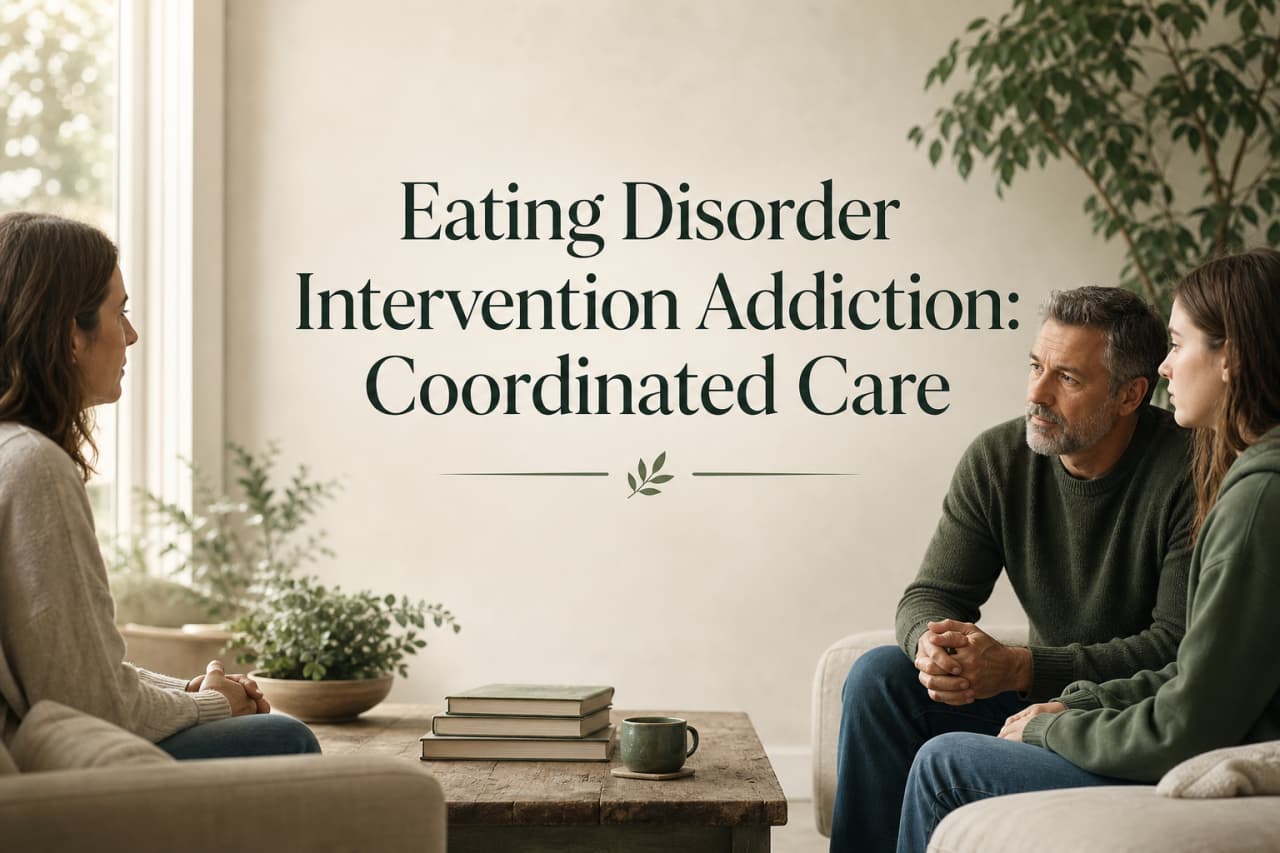
In some cases, a crisis intervention is necessary when a patient’s stimulant use has reached an emergency level. This type of intervention helps families take immediate action if their loved one is experiencing psychosis, paranoia, panic, or life-threatening side effects like chest pain or seizure. Crisis interventions often involve mental health professionals who coordinate safe transport to a treatment provider or emergency department.
Family interventions are another effective approach, especially when denial prevents the patient from seeking help. A structured family intervention allows loved ones to express concern, present evidence of harmful behaviors, and encourage the individual to enter adderall addiction treatment. With professional guidance, families can break through resistance and guide the patient toward recovery programs such as detox, intensive outpatient programs, or residential treatment.
Adderall Recovery Process
Recovery from Adderall addiction requires more than detox—it is an ongoing process of rebuilding health and stability. In the early stages, withdrawal management helps stabilize the nervous system while addressing fatigue, sleep problems, and cravings. Once physical dependence is managed, therapy begins to target the behaviors and thought patterns that fuel misuse.
The recovery process also involves relapse prevention and lifestyle changes. Patients work with therapists to build coping skills, manage stress, and re-establish healthy routines like exercise, nutrition, and sleep hygiene. Support from family interventions, community resources, and intensive outpatient programs helps patients maintain sobriety and rebuild confidence.Relapse and Sobriety
Relapse is common without continued support, but sobriety is possible with structure. Intensive outpatient program participation, therapy, and community support groups improve outcomes.
Coping Skills
Coping methods include exercise, meditation, nutrition, and sleep hygiene. Patients should avoid triggers such as stressful college environments, advertising that glamorizes stimulant use, or text messaging networks where pills are shared.
Support Services for Patients and Families
Family therapy helps address relationship strain and rebuilds trust. Support groups and community education increase knowledge and motivation for change. Addiction treatment often requires health insurance verification and ongoing communication with providers.
Role of Health Care Professionals
A physician, nursing team, or mental health professional ensures safe medication management. American Addiction Centers and the Substance Abuse and Mental Health Services Administration (SAMHSA) provide information, statistics, and referrals.
Adderall Abuse in Society
Adderall addiction extends beyond individual patients into broader social and public health concerns.
Misuse in Schools and Workplaces
Students and employees often misuse Adderall to improve attention, memory, and concentration. The pressure of academic performance and marketing of productivity culture fuels widespread stimulant use.
Data and Statistics
Research shows rising rates of stimulant abuse, with American addiction data indicating increasing emergency department visits related to stimulant toxicity. Poison control centers also report more cases of overdose involving amphetamines and dextroamphetamine.
How Addiction Interventions Can Help
Addiction Interventions specializes in connecting families and patients with effective treatment. Through professional intervention services, patients struggling with Adderall abuse are guided into structured care.
Our team helps families find appropriate adderall treatments, from detox and residential treatment centers to intensive outpatient programs. By coordinating with health care providers, mental health counselors, and insurance companies, Addiction Interventions ensures patients receive effective, evidence-based care.
Long-Term Outlook for Patients
Adderall addiction is a serious disease, but recovery is possible. With proper intervention, therapy, and medical care, patients can regain health, restore quality of life, and rebuild relationships. Choosing treatment through an addiction treatment program improves coping, resilience, and confidence.
FAQs
1. Can you overdose on Adderall? Yes, taking a lethal dose of Adderall can cause cardiac arrest, seizure, or coma. Emergency treatment is required to prevent death or permanent damage.
2. How long does Adderall withdrawal last? Withdrawal symptoms like fatigue, irritability, and sleep problems usually last 1–2 weeks, but mood changes and cravings may persist longer.
3. Is Adderall addiction the same as methamphetamine addiction? No, but both drugs are stimulants. Adderall contains amphetamine salts, while methamphetamine is a stronger stimulant with higher abuse potential.
4. Can Adderall addiction be treated at home? Home detox is unsafe due to risks of seizure, psychosis, and relapse. Professional treatment centers provide medical supervision and therapy.
About the Author
Aaron
Lead Interventionist
David Allen Gates is a Certified Intervention Professional (CIP) and founder of Addiction Interventions. He has personally led more than 1,500 family interventions nationwide.
If this article resonated with your situation, a certified interventionist can help you understand your options — confidentially, with no pressure and no cost for the first call.