

Tier 3 Interventions
Tier 3 interventions represent the most intensive level of support within the Response to Intervention (RTI) and 3 tiers of PBIS frameworks. These strategies focus on students with the highest needs, addressing persistent academic, behavioral, or mental health challenges. Tier 3 requires a highly individualized education program (IEP) or specialized plan that uses targeted data, assessments, and collaboration among stakeholders.
What Are Tier 3 Interventions?
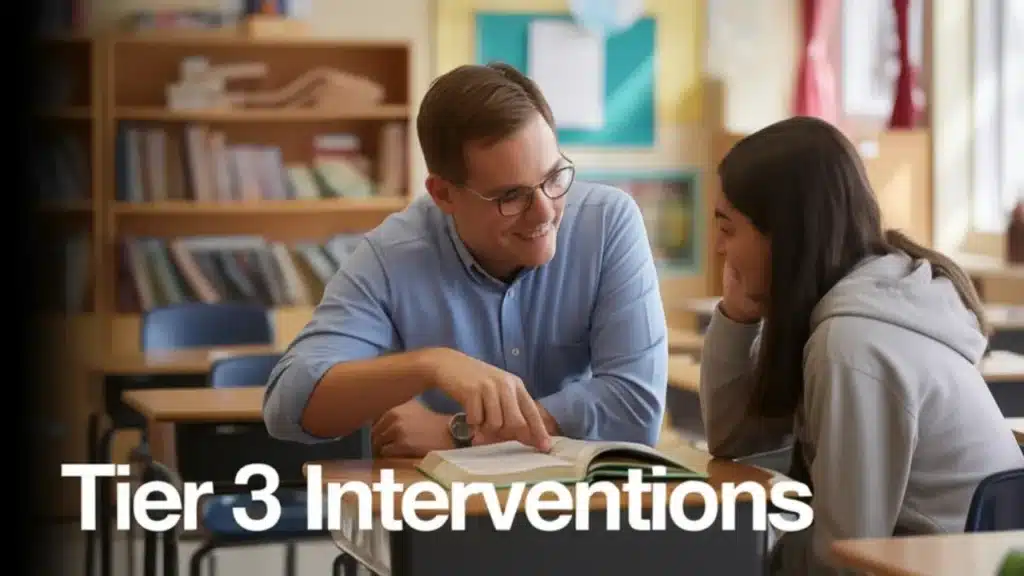
Tier 3 interventions are designed for students who show limited progress under tier 1 2 and 3 interventions at lower levels. Unlike tier 1 2 3 interventions examples that provide universal or small group support, tier 3 delivers one-on-one instruction and therapy. This level uses ongoing data collection, progress monitoring, and data analysis to shape instruction.
Purpose of Tier 3 Interventions
The goal is to close critical gaps in literacy, behavior, or social-emotional development. Students may need specialized strategies in phonics, fluency, vocabulary, and reading comprehension. In behavior-focused plans, schools may rely on functional behavior assessments to understand triggers of aggression, substance abuse, or stress.
Tier Three Reading Interventions
Reading is one of the most common areas for tier iii reading interventions. At this level, phonemic awareness, phonological awareness, and syllable instruction are emphasized. Students also benefit from intensive word recognition activities and targeted support in writing.
Instructional Tools and Methods
Tier three reading interventions use technology and specialized curriculum tools to build mastery. Teachers provide systematic feedback and rely on reinforcement strategies to help students gain confidence. Small adjustments in frequency and pacing of lessons support skill development and help reduce the risk of frustration that can sometimes lead to substance abuse in older students.
The Role of Functional Behavior Assessment
A functional behavior assessment (FBA) is a critical tool for behavior-based tier 3 interventions. It identifies the function behind challenging actions such as aggression, avoidance, or misuse of alcohol. With FBA data, schools can create structured differentiated instruction plans that reduce stress and promote positive social skills.
Behavior Support Strategies
Tier 3 behavior support plans often include teaching coping skills, adjusting the learning environment, and applying positive reinforcement. Collaboration between teachers, counselors, and families helps ensure consistency across settings. This consistency is especially important when external risks such as substance abuse or mental health crises are present.
How Tier 3 Interventions Support Literacy Development
Phonological awareness, phonemic awareness, and syllable practice remain key at this stage. These strategies help struggling readers master foundational language skills. Progress is tracked with data collection and analyzed for accuracy.
Focus on Reading Comprehension
Tier 3 interventions also strengthen reading comprehension by teaching students how to process information and make meaning. Instruction may involve English language supports, targeted vocabulary building, and structured questioning. A strong literacy foundation decreases long-term risks of substance abuse by improving self-confidence and future opportunities.
Writing and Language Development in Tier 3
Students receiving tier three interventions often need specialized writing instruction. This includes sentence construction, grammar, and organizing ideas clearly. Teachers may use personalized learning plans that integrate feedback and collaboration with peers.
Word Recognition and Fluency
Fluency instruction focuses on pacing, accuracy, and expression. Tier 3 teachers guide students with repeated readings, phonics practice, and word recognition exercises. These methods enhance both speed and comprehension while keeping students engaged and less likely to disengage in ways that might lead to alcohol misuse later.
Mental Health and Tier 3 Interventions
Many students at this level face mental health challenges that affect their learning. Tier 3 supports often include counseling, behavioral therapy, or social work services. Addressing emotional needs also lowers the likelihood of substance abuse and helps students develop positive coping skills.
Reducing Stress in Tier 3 Students
Stress can affect progress and learning outcomes. Teachers, counselors, and other stakeholders use strategies such as mindfulness, coping skills, and structured schedules. Positive reinforcement helps reduce pressure while lowering the risk of turning to alcohol or drugs as unhealthy coping tools.
Special Education and Tier 3 Interventions
Students in special education often receive tier 2 and 3 interventions as part of their individualized education program. These plans ensure access to proper resources, technology, and targeted instruction. In some cases, addressing learning challenges early helps reduce risks of later substance abuse.
Kindergarten to Secondary Support
Tier 3 supports start as early as kindergarten and continue through high school. For young learners, phonics, phonological awareness, and phonemic awareness build early literacy. Older students focus more on reading comprehension, writing, social skills, and addressing external issues like peer pressure to use alcohol.
Data in Tier 3 Interventions
Every decision at this level relies on data collection and data analysis. Teachers track student progress with assessments, observations, and feedback. This ensures that interventions align with each student’s needs.
Using Information for Instruction
Information gathered from assessments guides differentiated instruction. For example, a student struggling with vocabulary may receive direct word instruction while another works on syllable decoding. Careful monitoring also flags risks tied to disengagement or substance abuse behaviors.
The Role of Stakeholders and Collaboration
Tier 3 requires collaboration among teachers, parents, administrators, and outside specialists. Each stakeholder contributes insights into the student’s needs. Together, they refine curriculum, set goals, and adjust strategies.

Feedback and Reinforcement
Consistent feedback ensures students understand their progress. Teachers also use reinforcement strategies to celebrate small achievements. These practices help build resilience and confidence, lowering vulnerability to substance abuse.
Technology and Tier 3 Interventions
Modern technology enhances personalized learning at this level. Programs can track frequency, provide adaptive lessons, and improve word recognition. Technology also supports students with disabilities by offering text-to-speech or visual aids.
Benefits of Digital Tools
Digital resources make differentiated instruction more manageable for educators. They help create an inclusive learning environment while offering interactive opportunities for literacy, language, and prevention education against risks like alcohol misuse.
Next Steps Beyond Tier 3 Interventions
Some students may continue to struggle even after receiving intensive tier three interventions. In these cases, schools often look toward more specialized placements or comprehensive evaluations. Options may include extended special education services, alternative school programs, or therapeutic day schools.
Beyond tier 3, decisions rely heavily on ongoing data collection, input from stakeholders, and professional evaluations. These next steps ensure that students facing persistent academic, behavioral, mental health, or substance abuse difficulties receive access to the most supportive learning environment possible.
Dual Diagnosis, Substance Abuse, and Tier 3 Connections
For some older students, challenges extend beyond academics and behavior into substance abuse or alcohol use. These issues often co-occur with mental disorders, creating a dual diagnosis that requires intensive care. While schools may provide academic and behavioral supports, treatment for addiction goes beyond educational settings.

This is where specialized programs like Addiction Interventions step in. Our team works with families and communities to connect students or young adults with recovery resources. Through structured interventions, counseling, and therapy, we address both addiction and underlying mental health needs, offering a path forward that builds stability and long-term health.
Examples of Tier 1 2 3 Interventions
- Tier 1: Universal classroom instruction, group lessons in phonics or reading comprehension, and whole-class behavior expectations.
- Tier 2: Small group targeted support in fluency, vocabulary, or social skills with regular monitoring.
- Tier 3: Intensive one-on-one intervention, such as tier three reading interventions, FBA-driven behavior plans, and special education supports, often addressing risks tied to substance abuse.
Why Tier 3 Interventions Matter
Tier 3 ensures that no student is overlooked, even when facing persistent struggles. With targeted education strategies, schools improve learning outcomes and long-term health. The combination of skill instruction, personalized learning, and collaboration makes tier 3 effective.
Long-Term Impact on Students
Students who receive effective tier 3 supports often gain confidence, improve social skills, and achieve higher levels of literacy. These interventions give students tools for success both in school and life, while lowering risks of future alcohol misuse or substance abuse.
FAQs
1. How do Tier 3 interventions differ from special education? Special education provides a broader range of services, while tier 3 interventions are part of RTI or PBIS. Some students may need both supports.
2. Can Tier 3 interventions address math difficulties? Yes. Although much focus is on reading, tier 3 can include math problem-solving, number sense, and skill reinforcement.
3. How long do students usually stay in Tier 3 interventions? The length varies depending on student progress. Some need support for months, while others may require long-term services.
4. What role do parents play in Tier 3 interventions? Parents act as key stakeholders. Their input helps educators adjust strategies, track progress, and maintain consistency at home.