Is Ritalin Addictive? Dangerous Side Effects Explained
Is Ritalin addictive? Learn how this prescription stimulant affects the brain, risks of abuse, side effects, and treatment options for recovery.
Aaron
Lead Interventionist
September 8, 2025
7 min read
Share
Is Ritalin addictive? Learn how this prescription stimulant affects the brain, risks of abuse, side effects, and treatment options for recovery.
Is Ritalin Addictive?
Ritalin, the brand name for methylphenidate, is a prescription stimulant commonly used to treat attention deficit hyperactivity disorder (ADHD). It helps improve focus, attention, and productivity. However, many people ask the same question: is Ritalin addictive? The answer depends on dose, behavior, and whether the drug is used under medical supervision or abused recreationally.
What Is Ritalin?
Ritalin is classified as a controlled substance under the Controlled Substances Act because of its abuse potential. It stimulates the central nervous system, increasing dopamine and norepinephrine levels in the brain. This activity impacts the reward system, which can lead to drug addiction if misused.
How Ritalin Works
Methylphenidate influences neurotransmitters such as dopamine and norepinephrine. These chemicals affect attention, mood, and motivation. Patients with ADHD often experience improved alertness, better adherence to education tasks, and reduced impulsivity when taking prescribed doses.
Ritalin as a Prescription Drug
When prescribed, a physician or mental health professional monitors the dose carefully. This helps lower risks of substance abuse, physical dependence, and side effects such as insomnia, headache, irritability, or appetite suppression.
Is Ritalin Addictive?
Yes, Ritalin can be addictive, especially if taken outside prescribed guidelines. Like amphetamine-based stimulants such as Adderall, it has a high potential for abuse. Misuse can lead to euphoria, increased heart rate, high blood pressure, and eventual prescription drug addiction.
Controlled Substance Risks
Because of its stimulant properties, Ritalin is considered a controlled substance. Abuse can cause cravings, overdose, and stimulant use disorder. According to the Diagnostic and Statistical Manual of Mental Disorders, repeated misuse can escalate into drug addiction.
Signs of Addiction
Patients abusing Ritalin may experience paranoia, panic, mood swings, and impaired memory. Other warning signs include weight loss, fatigue, insomnia, and violent behavior. Relapse is common without therapy and structured treatment programs.
Side Effects of Ritalin
Ritalin carries both short-term and long-term side effect risks. Many patients tolerate prescribed doses well, but misuse increases dangers.
Common Side Effects
Typical side effects include insomnia, stomach pain, headache, irritability, and decreased appetite. Some patients also report fatigue, nausea, or vomiting.
Serious Health Risks
More severe complications include hypertension, heart rate changes, palpitations, fever, priapism, and confusion. Emergency medicine may be required if overdose or severe reactions occur. Patients with bipolar disorder or borderline personality disorder may also experience mania or suicidal ideation when misusing stimulants.
Why People Abuse Ritalin
Ritalin is sometimes used by students or professionals seeking higher productivity. Its effects on dopamine and the brain’s reward system create feelings of pleasure and euphoria. Over time, this desire can fuel compulsive use and abuse.
The Psychology of Misuse
Psychology research shows that people often misuse stimulants for coping with stress, attention demands, or fatigue. However, the risks outweigh the short-term benefits. Misuse increases the risk of prescription drug addiction and dual diagnosis conditions such as anxiety or depression.
Comparison with Other Drugs
Ritalin misuse is similar to methamphetamine or amphetamine abuse in how it affects neurons and the central nervous system. Both categories can result in psychosis, paranoia, or overdose.
Addiction and Mental Health
Addiction rarely exists alone. Patients may have co-occurring mental health disorders that complicate treatment.
Dual Diagnosis Cases
Many patients with stimulant use disorder also struggle with anxiety, mood disorders, or substance abuse involving alcohol or opioids. Dual diagnosis treatment is often necessary in these cases.
Why Dual Diagnosis Interventions Matter
A dual diagnosis occurs when someone has both a mental health disorder and substance abuse issues. These conditions fuel each other, making recovery difficult without addressing both at once. Interventions help families highlight the need for treatment that integrates psychiatry, therapy, and addiction care.
Integrated Treatment Goals
Dual diagnosis treatment programs aim to stabilize mental health while addressing substance abuse. This includes therapy, medication management, coping skills training, and relapse prevention. By treating both conditions, patients improve memory, motivation, mood, and overall quality of life. Families gain education, support, and tools for ongoing recovery.
A psychiatrist, nursing staff, and social work professionals often collaborate in treatment programs. Therapy helps patients rebuild coping skills, manage stress, and improve quality of life.
Ritalin Abuse in Teens and Adults
Both teens and adults are at risk of Ritalin misuse. Parents should be alert to signs such as behavioral changes, declining health, or neglect of education responsibilities.
Risks in Teens
Adolescents sometimes misuse Ritalin for school performance or weight loss. Such misuse may cause panic, confusion, impulsivity, and long-term damage to mental health.
Adult Misuse
Adults may misuse Ritalin for productivity or as a coping mechanism for fatigue and stress. Abuse can lead to overdose, violent behavior, and impaired social functioning.
Withdrawal and Relapse
Stopping Ritalin suddenly can cause withdrawal symptoms such as hypersomnia, depression, and severe fatigue. Relapse is common without structured treatment center support.
Detoxification Process
Medical detoxification helps manage symptoms such as irritability, paranoia, and cravings. Physicians may prescribe medicine such as diazepam or benzodiazepine alternatives during withdrawal management.
Preventing Relapse
Long-term treatment programs focus on therapy, adherence to recovery strategies, and rebuilding motivation. Patients often need social support, education, and continued research-backed therapy to prevent relapse.
Treatment for Ritalin Addiction
Several treatment options are available for patients struggling with prescription drug addiction.
Therapy and Counseling
Therapy options include cognitive behavioral therapy, motivational interviewing, and family counseling. These interventions address both substance abuse and underlying mental health disorders.
Treatment Centers
Addiction treatment centers provide structured programs that include detoxification, nursing care, and relapse prevention. They also support patients with dual diagnosis conditions such as bipolar disorder or anxiety disorder.
The Role of Health Professionals
Health professionals, including physicians, psychiatrists, and mental health professionals, ensure safe recovery. They provide medication management, evaluate dose adherence, and monitor side effects such as hypertension or insomnia.
How Addiction Interventions Can Help
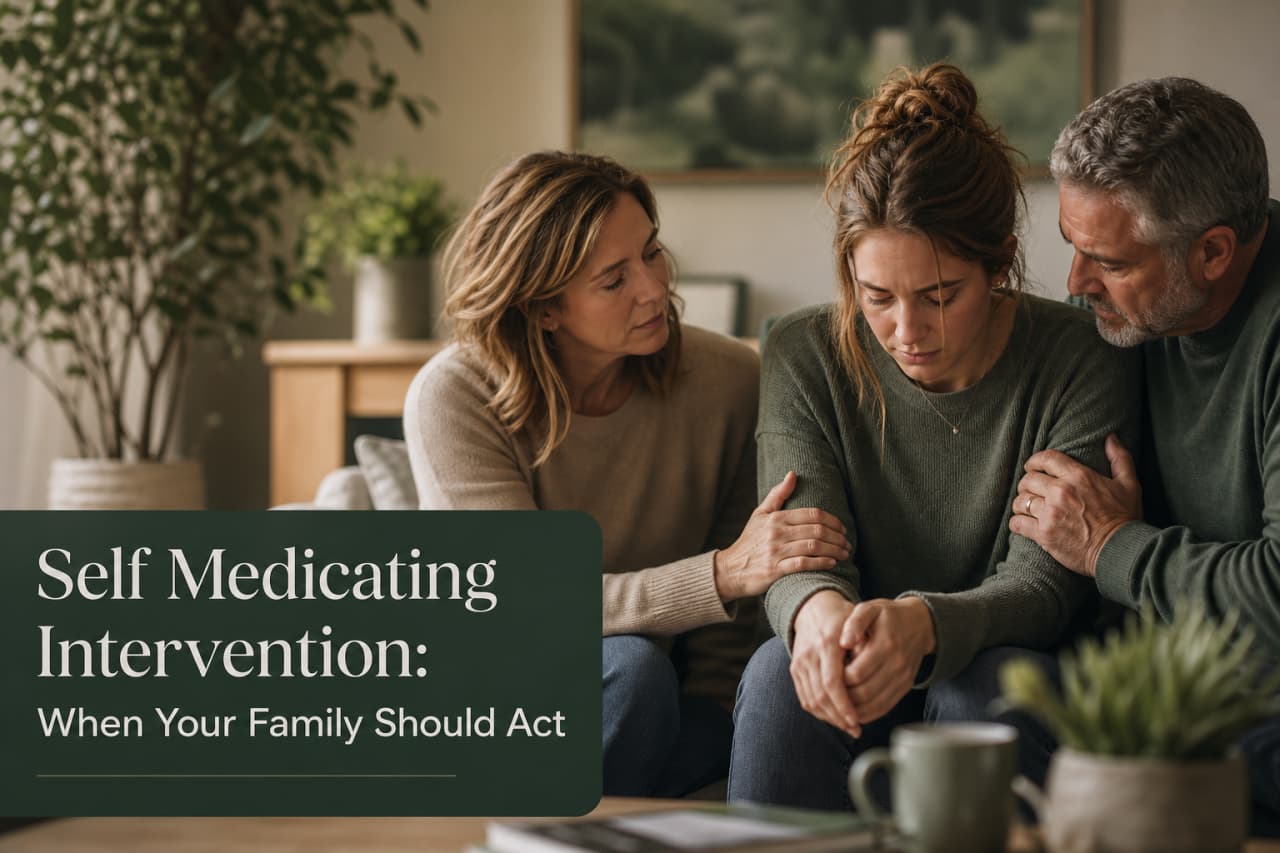
At Addiction Interventions, trained specialists guide families through the intervention process. Interventions help loved ones recognize the dangers of drug addiction and the need for immediate treatment.
Family and Crisis Interventions
Family interventions address the impact of addiction on parents, children, and relationships. Crisis interventions provide urgent support in emergency situations involving overdose, violence, or suicidal ideation. Both strategies can connect patients with appropriate treatment programs quickly.
Long-Term Support
Addiction Interventions also assists with insurance navigation, education, and referrals to treatment centers. The goal is to improve health outcomes, prevent relapse, and restore quality of life for patients and families.
Final Thoughts
Ritalin can be an effective medication when used as prescribed for attention deficit hyperactivity disorder. However, misuse increases the risk of addiction, mental health complications, and long-term damage to the nervous system and overall health. Understanding both its benefits and dangers helps patients and families make informed choices about treatment.
For those struggling with stimulant use disorder or prescription drug addiction, seeking support is vital. Therapy, treatment programs, and professional interventions can restore balance to the brain, improve coping skills, and enhance quality of life. With proper guidance from health professionals and access to resources like Addiction Interventions, recovery and sobriety are possible.
FAQs
1. Can Ritalin cause physical dependence? Yes, physical dependence can develop if Ritalin is misused. Withdrawal symptoms may occur when stopping suddenly.
2. Is Ritalin safe for patients with bipolar disorder? Patients with bipolar disorder may face higher risks, including mania or mood instability. A health professional should carefully monitor treatment.
3. How does Ritalin affect blood pressure and heart rate? Ritalin may increase blood pressure and heart rate. Patients with hypertension or heart disease need close physician supervision.
4. What should parents watch for in teens prescribed Ritalin? Parents should monitor for appetite changes, insomnia, mood swings, or neglect of school responsibilities. These may signal side effects or misuse.
About the Author
Aaron
Lead Interventionist
David Allen Gates is a Certified Intervention Professional (CIP) and founder of Addiction Interventions. He has personally led more than 1,500 family interventions nationwide.
If this article resonated with your situation, a certified interventionist can help you understand your options — confidentially, with no pressure and no cost for the first call.